
Home Is an Investment: Simple Ways to Protect and Preserve Its Value Over Time

Your home is more than where life happens. It is one of the largest investments most people will ever make. While market conditions and location influence value, day-to-day care and thoughtful stewardship play an equally important role. A well-maintained home holds its value longer, performs better, and provides a higher level of comfort and pride of ownership.

Protecting your investment does not require expensive renovations or constant upgrades. In fact, the most effective strategies are often simple, consistent habits that prevent small issues from becoming costly repairs. Over time, these choices add up to a home that remains efficient, attractive, and structurally sound.

Here are practical ways to preserve and protect your home’s value for years to come.


1. Start with Preventative Maintenance

Preventative maintenance is the foundation of home preservation. Just like routine care keeps a vehicle running smoothly, regular home upkeep prevents deterioration and costly surprises.

Key areas to check regularly include:

  • Roof and gutters: Inspect for debris buildup, loose shingles, or signs of wear. Clean gutters to ensure proper drainage.
  • Exterior walls and stucco: Look for cracks or water intrusion points and address them early.
  • Plumbing: Watch for slow leaks under sinks, around toilets, and near water heaters.
  • Electrical systems: Replace outdated outlets and address flickering lights or frequent breaker trips.
  • HVAC systems: Change filters monthly and schedule annual professional servicing.

Small efforts here protect the home’s structure and mechanical systems, preserving both comfort and resale value.


2. Protect Against Arizona’s Climate

Living in a desert environment presents unique challenges that make proactive care even more important. Sun exposure, heat, dust, and monsoon storms all impact a home over time.

Ways to protect your home in hot, dry climates include:

  • Window care: Use UV-protective window coverings to reduce heat and prevent fading of floors and furniture.
  • Exterior sealants: Keep paint, stucco, and caulking in good condition to prevent cracking from sun exposure.
  • Shade structures: Pergolas, awnings, and trees can lower surface temperatures and reduce heat stress on exterior materials.
  • Dust management: Regular cleaning protects air quality and keeps HVAC systems running efficiently.
  • Storm preparation: Secure outdoor furniture and check drainage areas before heavy rains.

Climate-aware maintenance ensures your home ages gracefully, not prematurely.


3. Preserve Structural Integrity

The structural elements of your home are its backbone. Protecting them preserves both safety and long-term value.

Focus on:

  • Foundation health: Watch for new cracks in walls or floors, doors that suddenly stick, or uneven surfaces.
  • Drainage: Ensure water flows away from the home to prevent soil shifting and foundation stress.
  • Roof condition: A healthy roof prevents water damage, mold growth, and insulation issues.

Structural soundness is one of the first things inspectors and buyers evaluate. Protecting it protects your investment.


4. Keep Systems Running Efficiently

Mechanical systems are costly to replace, but affordable to maintain. Regular servicing extends lifespan and reduces energy costs.

Maintain:

  • Heating and cooling systems with annual tune-ups.
  • Water heaters by flushing sediment buildup annually.
  • Appliances through cleaning coils, filters, and seals.
  • Smart thermostats to optimize temperature control.

Efficiency protects value by lowering operating costs and improving overall performance.


5. Maintain Curb Appeal

First impressions matter. Curb appeal plays a major role in perceived value and pride of ownership.

Simple improvements include:

  • Keeping landscaping trimmed and healthy
  • Touching up exterior paint
  • Power washing driveways and walkways
  • Replacing worn house numbers and lighting
  • Keeping entryways clean and welcoming

A home that looks cared for signals quality and attention inside as well.


6. Protect Interior Surfaces

Interior finishes wear over time, but thoughtful care preserves both appearance and function.

Key areas to protect:

  • Flooring: Use rugs in high-traffic areas, clean spills promptly, and follow product care guidelines.
  • Cabinetry: Clean gently, avoid harsh chemicals, and address loose hardware.
  • Countertops: Use cutting boards, trivets, and seal natural stone when recommended.
  • Walls and trim: Touch up scuffs and dents before they accumulate.

Preserving finishes keeps your home feeling fresh without constant updates.


7. Manage Moisture Carefully

Even in dry climates, moisture remains one of the greatest threats to home integrity.

Watch for:

  • Leaks around sinks, tubs, and toilets
  • Condensation near windows
  • Poor bathroom ventilation
  • Landscape irrigation spraying too close to the home

Catching moisture issues early prevents mold growth, wood rot, and structural damage.


8. Invest in Smart, Timeless Updates

When upgrades are needed, choose options that enhance durability and broad appeal.

Strong investment updates include:

  • Energy-efficient lighting
  • Updated hardware and fixtures
  • Neutral, timeless paint colors
  • Modern thermostats and security systems
  • Water-saving plumbing fixtures

These improvements add value without over-customizing.


9. Document Your Home’s Care

Keeping records matters more than many homeowners realize. Maintenance logs, receipts, warranties, and service history show responsible ownership.

This documentation:

  • Builds buyer confidence
  • Supports warranty claims
  • Demonstrates proactive care
  • Helps track aging systems

Think of it as a resume for your home.


10. Protect Outdoor Spaces Too

Your outdoor areas are part of your investment.

Protect:

  • Patios and hardscapes by cleaning and sealing as needed
  • Irrigation systems by checking for leaks and clogged emitters
  • Outdoor structures with routine inspections

Functional, well-maintained outdoor spaces add lifestyle and financial value.


11. Stay Ahead of Small Repairs

Deferred maintenance is the fastest way to erode home value.

Small problems grow when ignored:

  • A dripping faucet becomes cabinet damage
  • A cracked tile leads to moisture intrusion
  • Loose caulking allows water penetration

Quick fixes save money and preserve quality.


12. Think Like a Long-Term Owner

Even if you plan to stay for years, caring for your home as though it will one day be sold keeps standards high.

Ask yourself:

  • Does this choice protect or weaken long-term value?
  • Is this solution durable or temporary?
  • Will future owners appreciate this improvement?

Homes cared for with long-term thinking consistently outperform those maintained only for convenience.


13. Balance Personalization with Preservation

Personal style matters. Your home should reflect who you are. Just keep core elements neutral and timeless, allowing design preferences to evolve without harming resale value.

Use décor and furnishings to express personality while protecting permanent features.


14. Create a Seasonal Maintenance Rhythm

Establishing seasonal routines makes upkeep easier:

Spring

  • HVAC service
  • Window cleaning
  • Exterior inspections

Summer

  • Monitor cooling efficiency
  • Inspect irrigation

Fall

  • Gutter cleaning
  • Seal cracks and gaps

Winter

  • Check insulation
  • Inspect weather stripping

Consistency is more powerful than perfection.


15. Pride of Ownership Is the Real Investment

Homes that hold value best share one thing in common: attentive ownership. They are clean, cared for, thoughtfully updated, and protected from neglect.

Protecting your home’s value is not about perfection. It is about stewardship. It is about recognizing that your home represents both a financial asset and a deeply personal space.

When you care for it with intention, your home rewards you with comfort, security, and confidence that your investment is protected for the long run.


A well-preserved home stands as proof that pride of ownership matters. Over time, simple choices, consistent care, and thoughtful improvements ensure your home remains strong, beautiful, and valuable—today and for years to come.
Creating Cozy Indoor Spaces: Design Tips for Fall and Winter

As fall and winter bring cooler evenings and shorter days, there’s no better time to transform your home into a cozy retreat. Creating a warm, inviting indoor space doesn’t require a major renovation—just a few thoughtful touches can add a seasonal feel that’s perfect for relaxing, entertaining, or simply staying comfortable through the chillier months. Here’s a guide on how to create cozy indoor spaces with textures, lighting, color, and a few design elements that will add warmth and comfort all season long.

1. Embrace Warm Color Palettes

One of the simplest ways to shift a room’s mood for fall and winter is through color. Warm tones can instantly make a space feel more inviting and are easy to incorporate through decor and accents.

  • Incorporate Earth Tones: Shades like deep browns, rusts, ochres, and forest greens reflect the colors of fall and add a grounded, nature-inspired feel to your rooms. Consider earth-toned throw pillows, area rugs, or even an accent wall.
  • Add Pops of Rich Colors: Jewel tones such as emerald green, deep navy, burgundy, and mustard yellow bring warmth and a touch of luxury to living rooms and bedrooms. These tones are perfect for accent pieces like throws, vases, and picture frames.
  • Balance Neutrals with Warm Undertones: For those who prefer a neutral color palette, go for shades with warm undertones, like creamy whites, taupe, and beige. These colors maintain an airy feel while subtly warming up your space.

2. Layer Textures for Depth and Warmth

Incorporating various textures is key to making a room feel cozy and inviting. From chunky blankets to soft rugs, layering textures adds visual interest and comfort to your space.

  • Bring in Soft, Plush Fabrics: Add throw blankets and pillows made from materials like fleece, wool, or faux fur. These fabrics provide a cozy look and are perfect for snuggling up with on cold nights. Consider adding throws to your sofa or draping them over the edge of a chair.
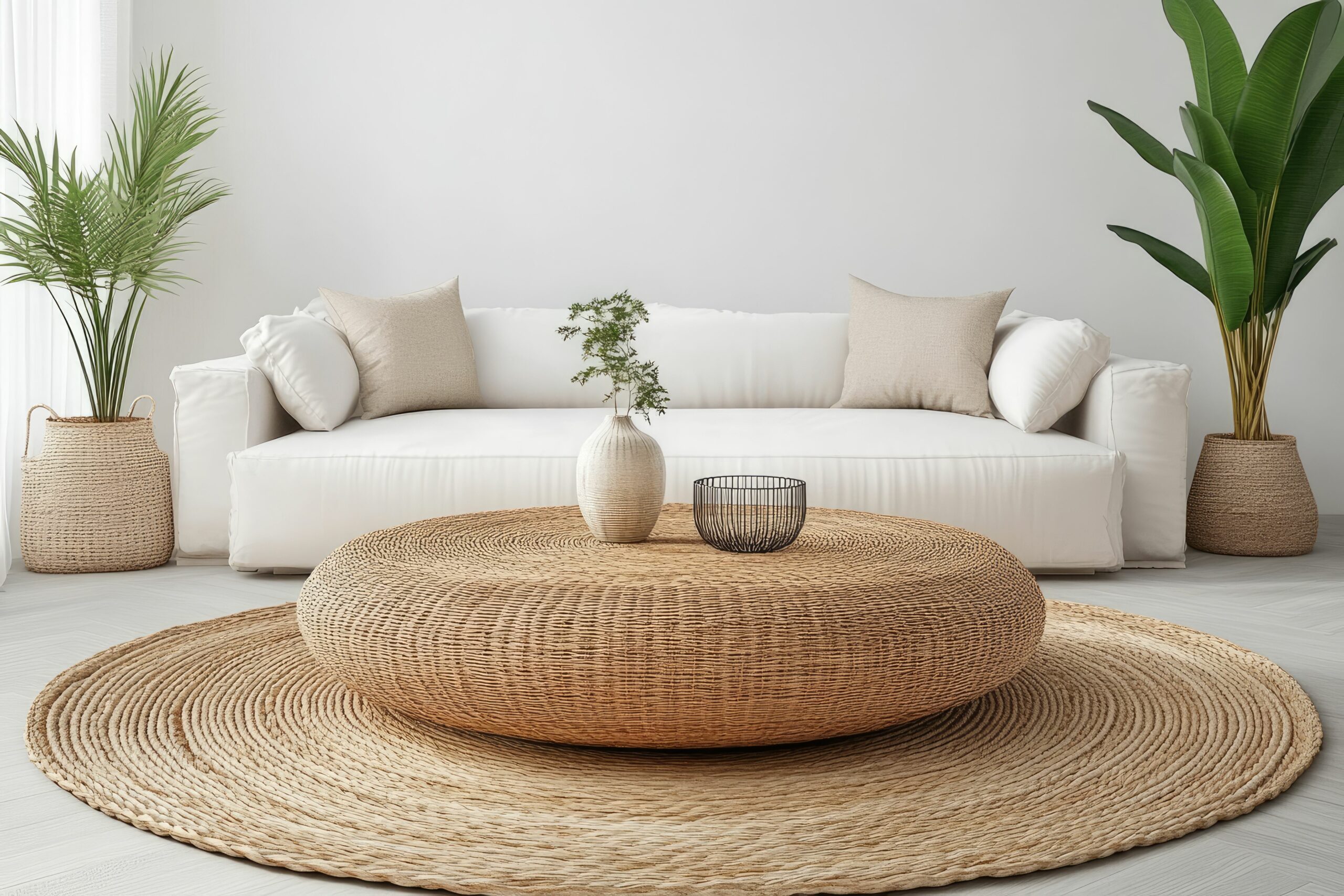
  • Introduce Area Rugs: In cooler months, an area rug not only grounds the room but also provides warmth underfoot, especially on tile or hardwood floors. Choose rugs with high-pile or shag textures to maximize softness, or go with woven, bohemian-inspired rugs for a rustic look.
  • Mix Materials: Layering textures with materials like leather, woven baskets, and natural wood brings an earthy warmth to your rooms. Try adding a leather ottoman, a rattan basket for extra blankets, or wood accent tables to incorporate a variety of textures.

3. Use Lighting to Set a Cozy Atmosphere

Lighting plays a crucial role in creating a cozy, inviting space. Swapping out bright or harsh lighting for softer alternatives can make any room feel more relaxed and ready for fall and winter.

  • Switch to Warm Light Bulbs: Opt for warm-toned LED bulbs instead of bright white bulbs. Warm lights mimic the glow of a fire and add a soft, ambient feel to your space. This works especially well in lamps, sconces, and overhead lighting.
  • Add Multiple Light Sources: Instead of relying on one overhead light, layer your lighting with lamps, string lights, and candles. Floor and table lamps allow you to adjust the level of light based on your mood or activity, while string lights create a gentle, twinkling effect perfect for cozy nights.
  • Use Candles for a Warm Glow: Candles are a timeless way to add ambiance, and they double as decor. Choose scented candles in fall-inspired fragrances like cinnamon, vanilla, or cedarwood to bring a warm scent to your space.

4. Create Cozy Seating Areas

Arranging your furniture to create small, inviting seating areas can make a room feel more intimate and ready for fall gatherings or winter relaxation.

  • Add a Reading Nook: Design a cozy corner with a comfortable chair, a small side table, and a good lamp. Throw in a plush pillow and blanket for the perfect reading spot. A reading nook can turn even a small space into a cozy retreat.
  • Arrange for Conversation: Set up seating areas that encourage conversation. Position chairs or sofas to face each other or a central table, creating a social atmosphere. Arrange seats around a coffee table or near a fireplace to give the space a focal point.
  • Add Extra Seating with Poufs and Floor Pillows: Poufs and oversized floor pillows are great for adding seating in a casual, cozy way. They’re easy to move around and add a touch of personality to your space.

5. Add Seasonal Greenery and Natural Decor

Incorporating natural elements indoors brings a touch of the season and enhances the cozy, grounded feel of your space.

  • Bring in Dried Florals and Branches: Dried florals, pampas grass, and eucalyptus are perfect for fall and winter decor. Place them in a vase on a mantel, coffee table, or entryway to add an earthy, rustic element that lasts all season.
  • Add Indoor Plants: Indoor plants not only improve air quality but also add life to your space. Consider plants that do well indoors during cooler months, such as snake plants, pothos, or succulents. Place them in decorative pots that match your color scheme.
  • Use Pinecones and Seasonal Accents: Pinecones, acorns, and small gourds are perfect for fall and winter decor. Use them in a centerpiece, add them to a wreath, or place them in a bowl on your coffee table for a festive, natural touch.

6. Incorporate Wood and Stone Elements

Wood and stone add an organic warmth to your home that feels particularly comforting in fall and winter. These natural materials are versatile and add depth to your decor.

  • Wood Accents: Wooden furniture, wall shelves, or picture frames add warmth to any room. If you have a fireplace, a reclaimed wood mantel can make it a stunning focal point. Wood tones from light oak to dark walnut can work with various color schemes.
  • Stone Details: Stone adds texture and an earthy feel that’s perfect for colder months. Consider adding stone elements through decor pieces like marble trays, stone coasters, or a natural stone coffee table. If you’re up for a more extensive change, a stone accent wall or tile backsplash is both cozy and timeless.
  • Use Faux Wood Beams: If your home has high ceilings, adding faux wood beams can bring a rustic, cabin-like warmth to your space. This feature can add architectural interest and makes larger spaces feel more intimate.

7. Decorate for Function and Style

In the fall and winter, make functional pieces part of your decor. Items like blankets, baskets, and trays serve practical purposes while enhancing your cozy aesthetic.

  • Blanket Baskets: Place a woven or rattan basket near your seating area filled with blankets or throws for easy access and a homey touch.
  • Trays for Warm Beverages: Use decorative trays on coffee tables or kitchen counters to display mugs, hot chocolate mix, or seasonal spices. This makes it easy to grab a warm drink on cold days while adding a cozy touch to your decor.
  • Display Books and Board Games: Stack a few books on a side table or keep board games on display for easy reach. This encourages relaxation and makes your space feel like a hub for connection and cozy moments.

8. Make the Fireplace a Focal Point

If you have a fireplace, it’s the perfect centerpiece for fall and winter. Adding decor around the fireplace can make it an even cozier element in your home.

  • Decorate the Mantel: Style your mantel with seasonal decor, such as candles, dried flowers, or small potted plants. This creates a festive, inviting atmosphere.
  • Create a Cozy Fireplace Seating Area: Arrange a few chairs or a bench around the fireplace to create a cozy nook for enjoying the warmth. Place a soft rug or throw nearby to enhance the comfort of the area.
  • For Electric Fireplaces, Add Ambiance: If you have an electric fireplace, use it as an ambiance piece. Many electric fireplaces have adjustable settings, allowing you to control the warmth and light. Pair it with candles and soft lighting to enhance the cozy effect.

With a few seasonal changes, you can transform your home into a warm and inviting oasis perfect for fall and winter. By using warm colors, layering textures, incorporating natural elements, and enhancing lighting, you can create a cozy space that’s ready for cooler days and relaxing nights. Whether you’re hosting friends, spending time with family, or unwinding with a good book, these tips will help make your home a comforting retreat all season long.

Gold Tones Warm up Family Room

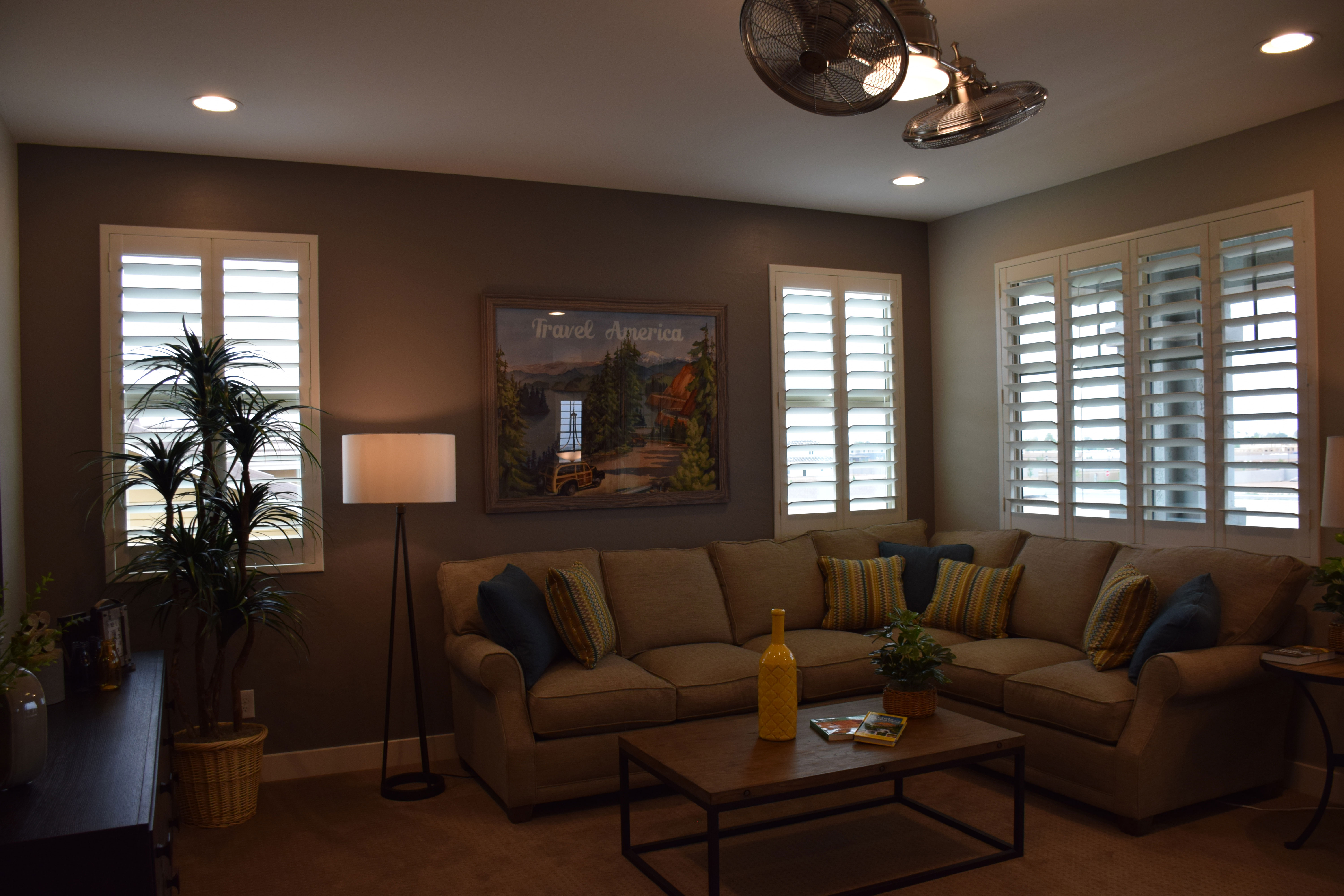
wWarner-Groves-at-Morrison-Ranch-072 - CopyWhen you want to create a warm living space, consider choosing gold as the primary color. The hue fills a space with warmth. It also lends a sense of light.
In Renaissance times, furniture and accessories were often covered in gold leaf, creating a sparkle to any space. Today gold leaf is less common, but the choice of a blend of gold tones still works in any room.

Let’s start with the gold sofa. This sectional is the primary piece of furniture in the room, and it sets the feeling for the entire space. Every other element is built around it. The pillows provide a strong contrast with the sofa and also introduce the darker and lighter elements present in the room – navy blue and a bright yellow-gold.

The cocoa color on the back wall really helps the sofa to pop, and complements the mid-tone gold carpeting. This medium shade for the carpeting is a smart choice – not too dark but dark enough to maintain the mood in the room. All of the major elements hover in a mid-range, but then the pops of dark and light tones in the artwork and accessories keep the room interesting.

Notice the artwork. It depicts a natural scene with enough bright colors to draw the eye. Pieces such as that and the bright yellow bottle on the coffee table help make the room shine.

Decorating a room with a single color makes it restful and inviting, but be sure to add those color surprises to help the room sparkle too!

What do you want your eating counter to look like?

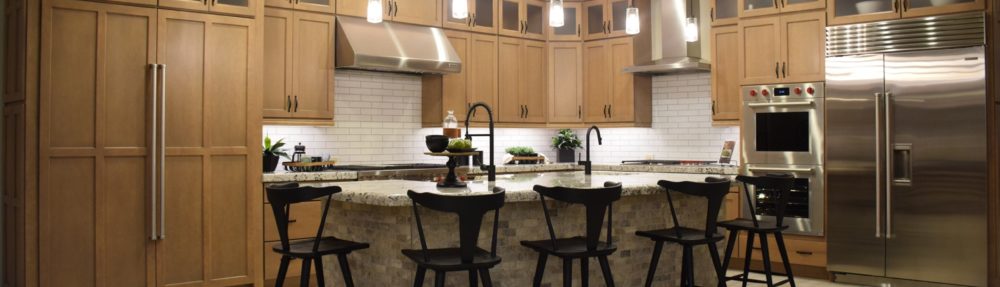
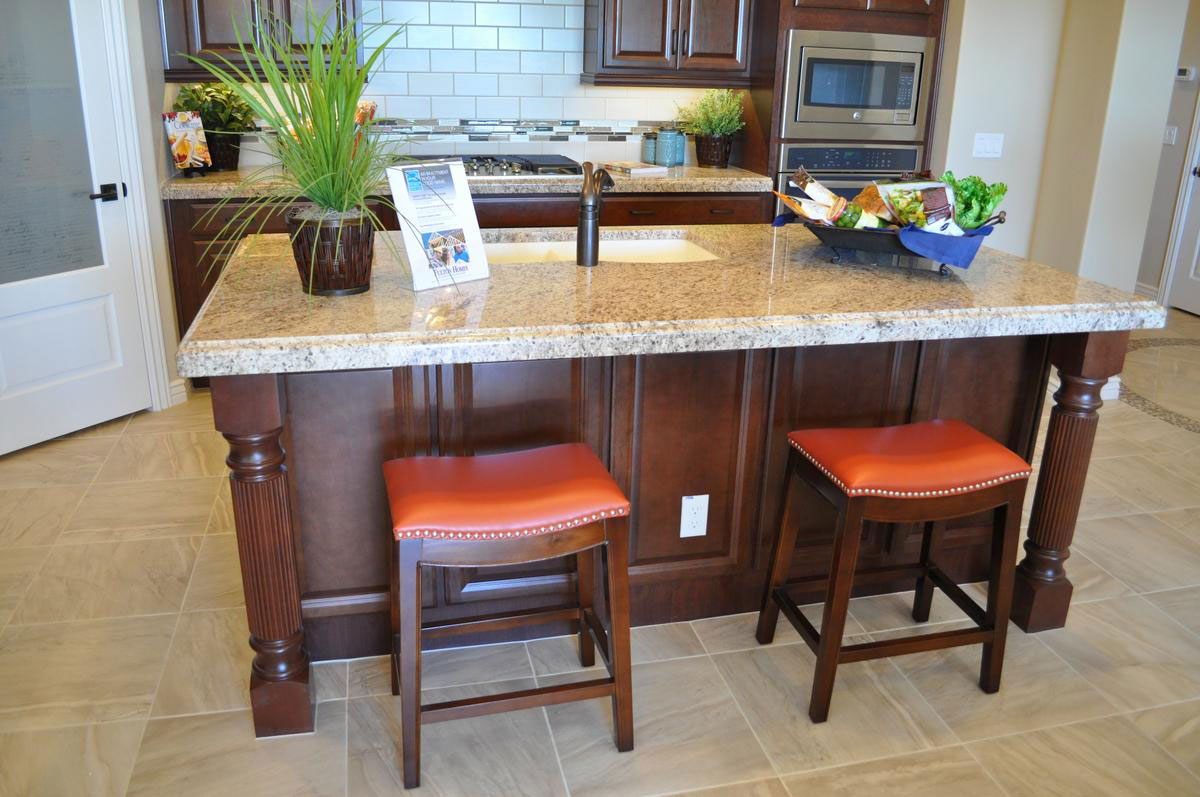
what-do-you-want-your-eating-counter-to-look-likewWhen you’re planning your kitchen, take some time to determine whether you want to include an eating counter like this one. There are some decisions to make if you decide a counter is for you, so let’s take a look at the things you may want to consider.

Counter depth: Your Fulton design-center designer can show you examples of standard counter depths. Don’t short-change your counter. You may find that this space becomes more than a snack area. It may be the choice location for your kids to do their homework or your prime appetizer spot when you have people over for dinner.

Counter edge: If you will have people leaning over the counter, make sure the edge will be comfortable. Some of the edges are fun and interesting, but not as easy on the stomach over time as your kids bend over it while munching on breakfast or a snack.

Stool height: Counters and stools come in all sorts of heights. Make sure you know how high your counter will be so that you select stools that will fit your counter well. Too high or too low and your guests will not be comfortable.

Design features: This under-counter area coordinates with the cabinetry. Other islands may have tile under the counter. Think about whether you will have kicking kids sitting at the counter or more well-behaved adults when choosing your materials. This counter also adds a bit of splash with two columns, giving a bit of extra personality to the kitchen. Check with your designer to see all of your column and other kitchen counter options.

Ceiling Makes Room Special

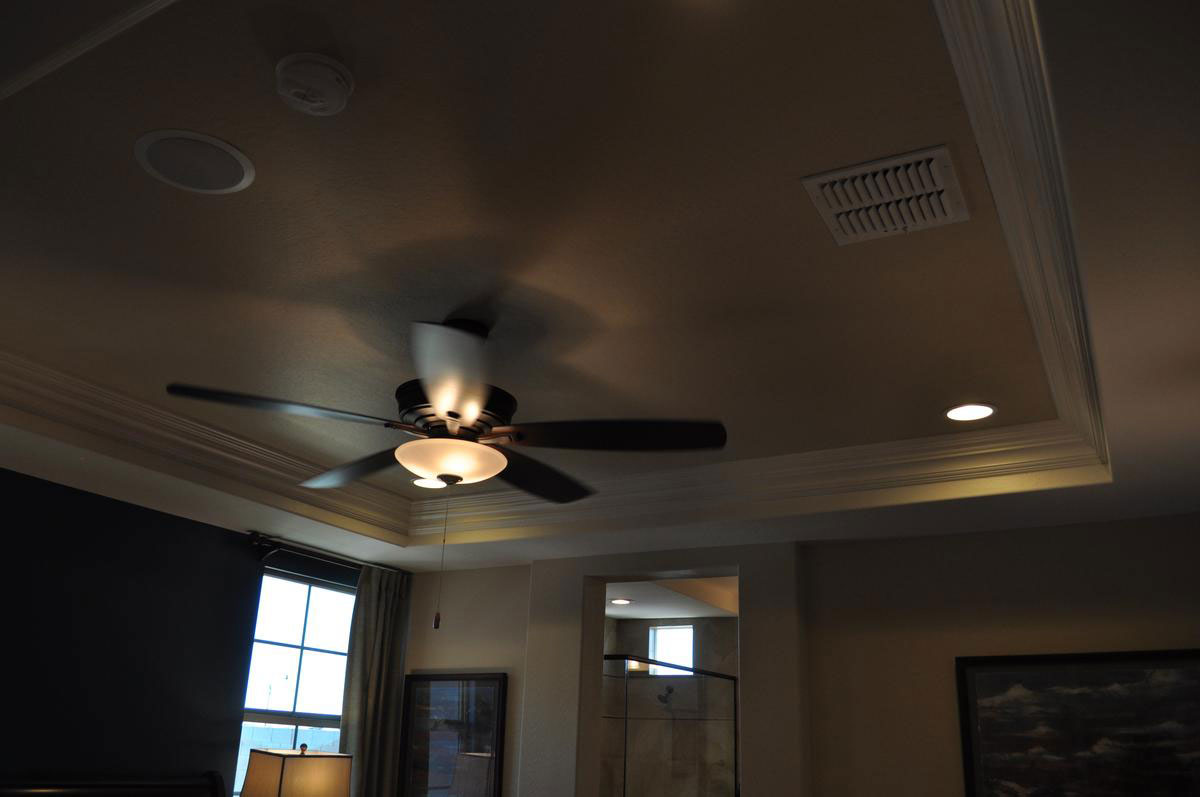
ceiling-design-makes-room-specialwWhen planning a home’s décor, most of us start with the flooring, then move on color choices. We may select a daring paint option for a room like the almost-black on this bedroom’s left wall. Window coverings often come next, followed by larger, then smaller pieces of furniture. We finish up with accessories and art.

But one thing we generally don’t do is worth the extra step. Before the flooring, the paint and the furniture, take a minute to look up. What does your ceiling have to offer in a room? If you’re stuck with one of those popcorn ceilings from a few decades ago, it may be time to hire someone to redo it. That will add value and selling your home will be easier if you lose that dated look. However, what about having a ceiling that makes the room something special?

This master bedroom gains luxury and style before you even notice the walls, floor or furniture with its dramatic coffered ceiling. The molding running along the inside adds interest and a bit of traditional flavor to a non-traditional approach. The lights and ceiling fan create shadows that make the entire ceiling intriguing. The white molding works well with the dark ceiling color to create contrast and keep the room feeling cozy and inviting.

When you’re planning a new home, think about every surface. Adding molding, wainscoting, lighting and ceiling architecture becomes the gift that keeps on giving – making your home a special one-of-a-kind place for you and your family.

Exploring Fulton Homes: The Fulton Design Center

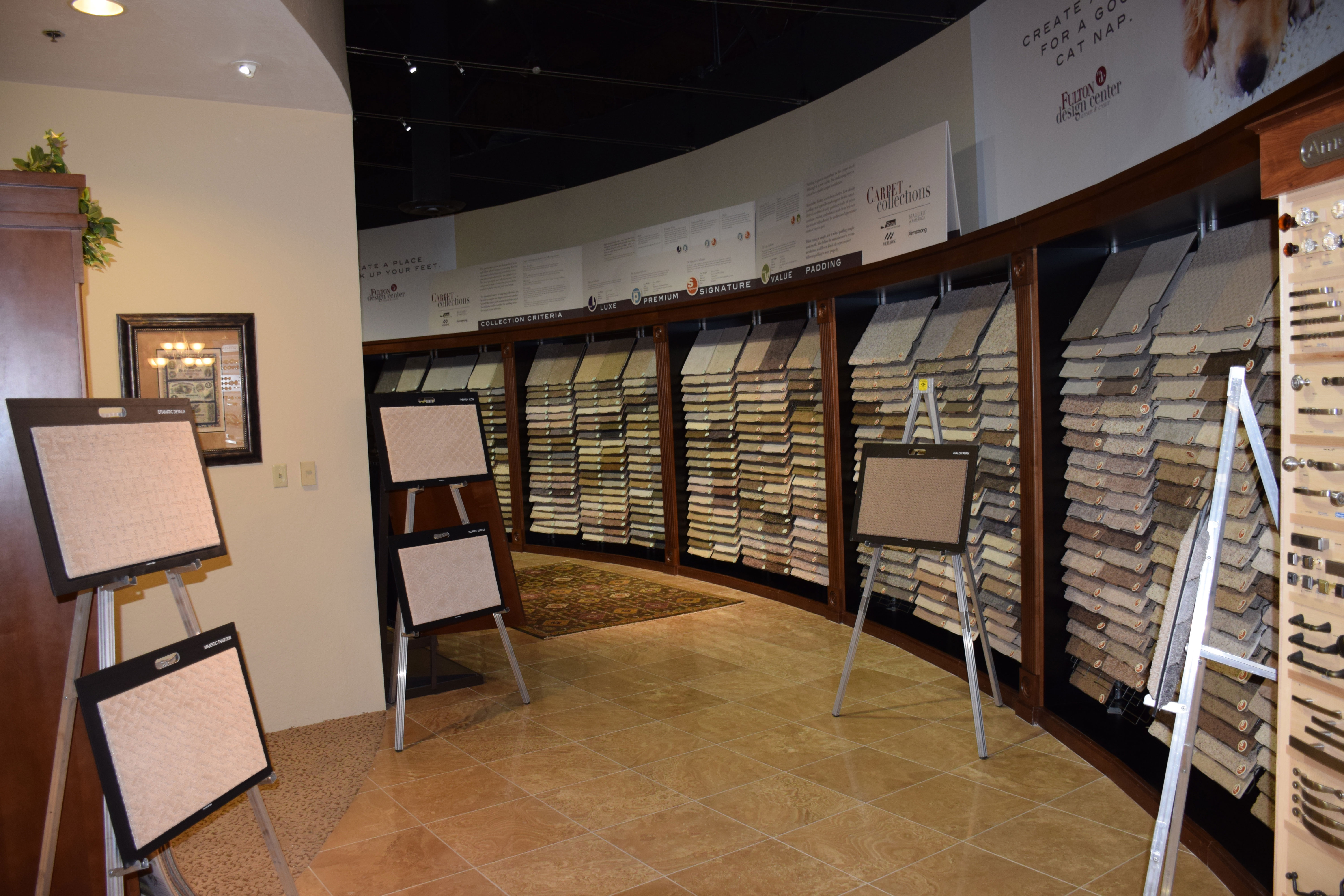
design-center-carpeting-webOne of the best aspects of buying a new Fulton Home is the opportunity to use the Fulton Design Center to create a home made just for you. You have the opportunity to select everything from your flooring to lighting and paint colors. And with our technology department you can create the perfect home theater and build the best security system for your needs.

Once you’ve visited a number of communities and models, it pays to visit the Fulton Design Center on one of our open browse nights. Scheduled the first and third Thursday evenings of every month from 5:00 pm to 8:00 pm, you have the opportunity to see all of the options available for customizing your home to your style and taste.

Fulton designers are available to answer your questions and show you around. You may be surprised at the variety of choices waiting for you. In this low-key environment you can enjoy various appetizers and drinks while wandering through the space. It also pays to get a sense of what sort of options you can select.

With over 13,000 square feet of space, there are kitchen and bathroom vignettes in a number of styles to give you ideas about your own home. The Design Center is frequently updated so that the products and examples are current in style and capability. Kitchens include a variety of cabinets and appliances so that you can try out the feel of them and determine those options that appeal to you.

Once you buy your Fulton Home, you will be visiting the Fulton Design Center to select your home’s options with the help of one of our trained designers. Exploring your choices ahead of time will make this process both easier and more fun.

With the Fulton Design Center, you can end up with a home that matches your taste and décor preferences as well as working with your family’s functional needs.

A Ceiling with Personality

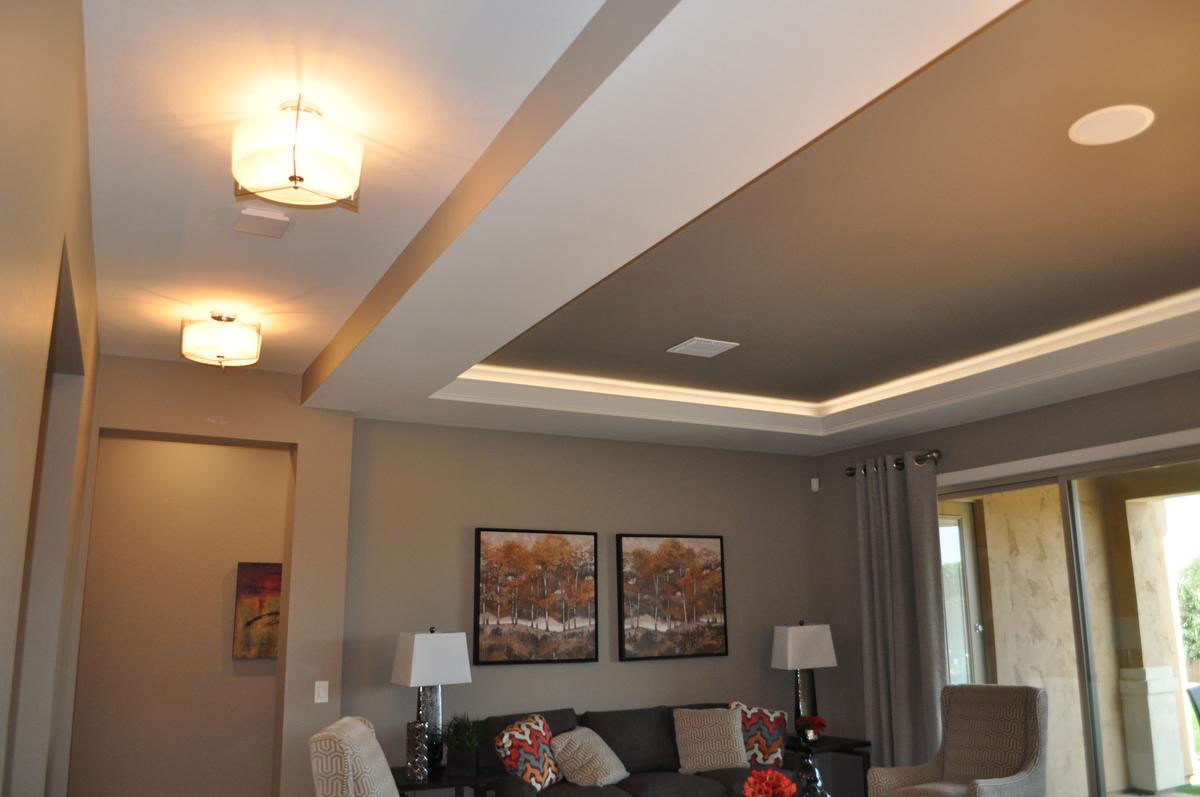
web-a-ceiling-with-personality-blogWhen people plan their home’s décor, they think about flooring and the walls, but many ignore the sixth surface – the ceiling. Fulton Homes understands something that custom homebuilders have known for years – your ceiling provides an opportunity to showcase the lines of your home.

There are many ways to incorporate your ceiling into the design of a space. This photo shows some of the most effective options.

Dimension: By adding dimension to the ceiling the spaces are clearly defined. The living area ceiling builds an enclosure and creates a comfortable coziness. This type of ceiling, known as a coffered ceiling, has a long tradition. In this open living space it adds a line of demarcation as well as providing an additional appealing style element.

Color: By pulling the wall color up into the center of the coffered ceiling, the space is more clearly defined. The combination of dimension and color makes the ceiling even more dramatic. By using the same color on the ceiling as the walls the space has a warm centralized feel.

Lighting: Notice the light running along the edge of the coffered ceiling. This emphasizes the personality of the ceiling and creates a natural focal point at night. Entertaining in this room will be particularly effective thanks to this ceiling design.

It’s easy to ignore a ceiling, but if you do you’re sacrificing an opportunity to add style and drama to your home. Take a moment to picture this room without any furniture. Even empty, this space has its design own strength, and the ceiling is the reason why.

Interesting Lighting Livens Space

web-lighting-interesting-blogWhen you’re planning your home’s appearance, take the time to consider all the elements. Flooring has a dramatic impact, and wall color creates a finished look. Window coverings add warmth and help manage light. But it’s easy to ignore your home’s light fixtures, and that can lead to missing an opportunity.

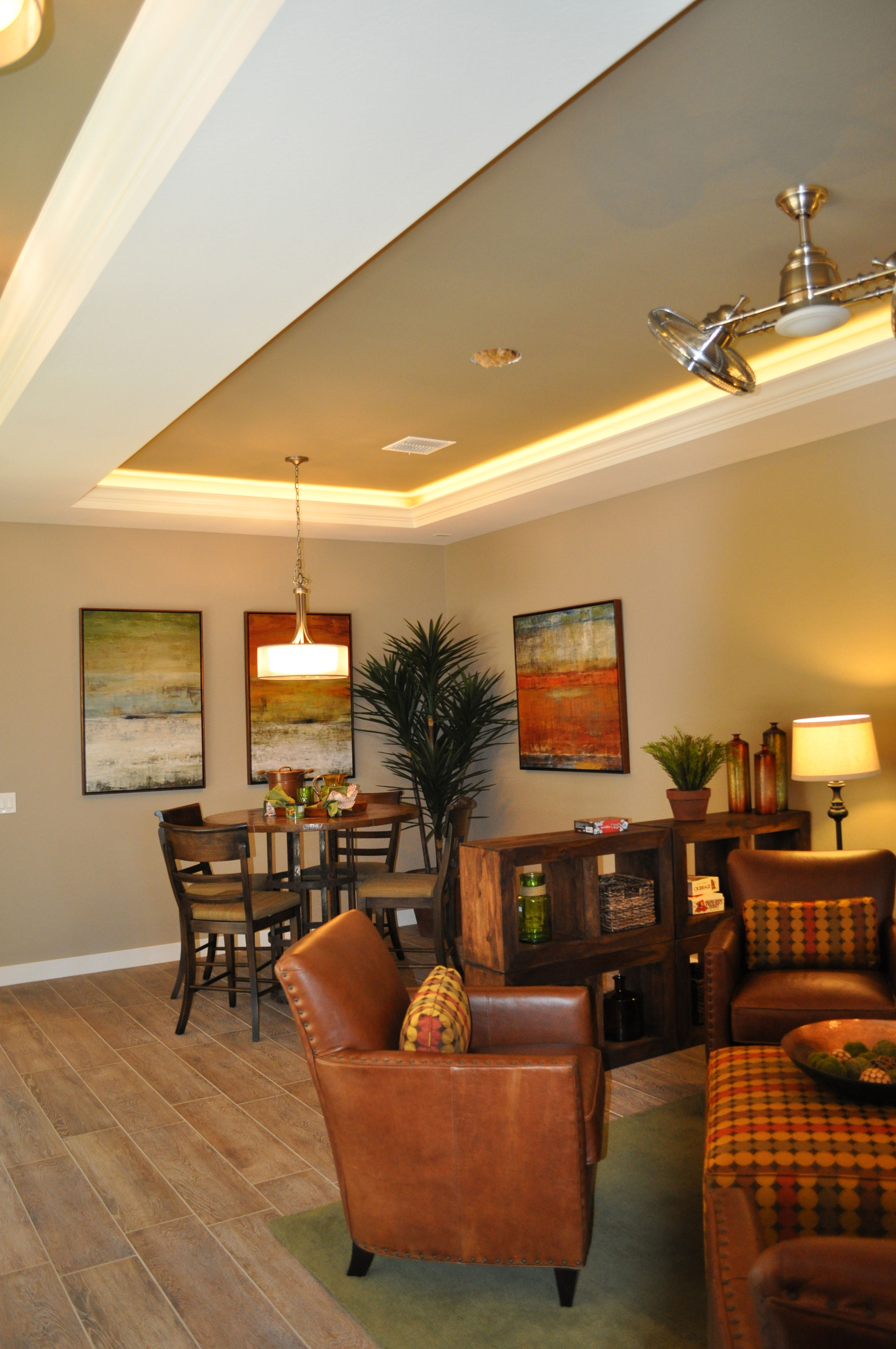
Lighting creates a mood, both in how an area is illuminated and how the lights themselves set a style. Let’s take a look at this open floor plan as an example. Four different choices of lighting make a real difference in this space.

Old-style ceiling fan: With the dual fan arrangement, this steel fan reflects a look that reflects the mood of hard-boiled detective fiction. You can imagine Humphrey Bogart in a room with a fan like this one, a steel file-cabinet in the background and his feet crossed on top of a battered wooden desk in the center of the office. A fan like this one says you’re not afraid to hark back to another era.

The pendant lights over the kitchen island also recollect another time. They mimic a classic schoolhouse style with their interesting shape. But the clear glass and Edison light bulbs bring them into the present. This combination of past and present blend to make a daring combination. Are you willing to take the design risk? The result is a room that steps out of the ordinary.

Ceiling lights provide the third light choice. These can be bright when needed for cooking or projects, or dimmed to set the right tone for evening events. Brushing along cabinets and walls, these lights are the quiet workhorses in your home. You really don’t want to do without them.

Finally, a simple chandelier sits over the dining table. Turned on for meals and off at other times, it’s functional yet creates an aura of warmth to match the meals served there. This light says hospitality.

Your home’s light fixtures are more important than you may realize. Take time to make the right lighting decisions for you and your family.

Architectural Details add Luxury

La-Quinta-family-room-webIf you want to turn a room from ordinary to something special, consider the opportunity to add architectural detail.

In this family room, from the La Quinta model at Oasis at Queen Creek, ceiling choices combine to make this room extraordinary. First, the coffered ceiling style adds depth and dimension. Choosing a combination of the wall color and a crisp white add valued contrast while emphasizing the structural features.

Lighting choices also add personality. The lights ringing the inside of the ceiling drop bring a soft tone to the ceiling edge. An intriguing ceiling fan and contemporary classic chandelier finish the ceiling’s appeal.

The flooring contributes to the finished look of this room. Porcelain tile planks that mimic wood have increased in popularity lately, as it gives homeowners the chance to have the appealing look of wood with the convenience and low maintenance of tile. This tone complements the wall color well.

The warmth of the room’s color choices are echoed in the décor. Leather seating in the appealing cognac color is supported with a rich pattern and contemporary art in rusts and greens. The room’s layout and the design choices are simple yet inviting. Notice that the baseboards are also white, connecting ceiling and floor in an effective way. This choice provides a good element of contrast.

To see this room in person, stop by our Oasis at Queen Creek community and take the time to visit our models.

Use Pinterest to Help Create the Home of your Dreams

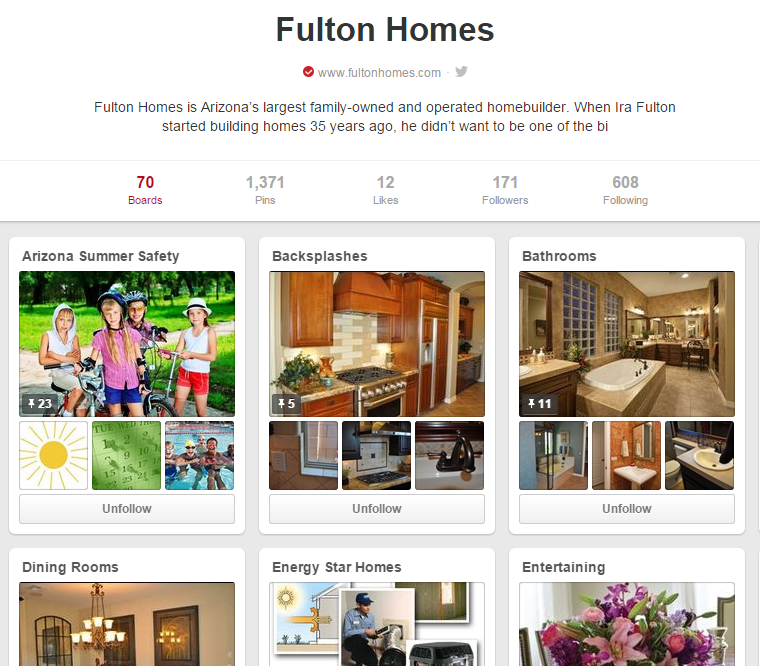
pinterest_fultonAre you planning to move into a new Fulton Home soon? Or maybe you’re still getting settled and deciding how to decorate your new home. Well, even if you’re just looking for ideas to update your home and add some pizazz, we suggest checking out Pinterest.

If you’re not familiar with Pinterest, it is set up like a collection of bulletin boards, allowing you to capture a favorite room, product, color or idea and save it in categories of your choice. For example, you may want to look at kitchens, or possibly just different backsplashes. Just open a Pinterest account of your own, add a board named for whatever you want to explore, and then use the search option at the top to see what’s out there.

Of course, you’re welcome to visit our Pinterest site. We have 70 boards holding almost 1,400 pins, and we add new ones just about every week. Our pins range from various home categories such as dining rooms and closets to more family-oriented topics such as our newest addition: Arizona Summer Safety.

The Fulton Home’s Pinterest site has been designed with you in mind. Whether you’re looking for ideas for general entertaining, birthday parties or something special for Father’s Day, we invite you to check our boards out for suggestions and tips. And if you like it, follow it for a chance to stop by easily whenever you want.

And if you discover something of value, whether on one of our boards or any others, you can just repin to your own Pinterest site to hang on to the idea and information. Then when it’s time to plan that party or redo that bathroom, all of your ideas are saved in one place.

If you are looking for information or ideas that we don’t list on our site, just let us know and we can add a board or pins to answer your questions or provide tips. After all, it’s there for you. Check out our Pinterest site by clicking here. We look forward to your visit.