It’s Not to Late to Hang the Lights

If you are like most of us you may have hung your outdoor Christmas decorations over Thanksgiving weekend. Or maybe you didn’t. Maybe you put it off until now because you didn’t want to deal with the ladder, the weather and untangling the mess of lights from last year.  There is no time like the present to overcome all of those obstacles and get the outside of your home looking perfect for the season.

Gather all the items you will need to begin your outdoor lighting project. The ladder, extension cords, timers, clips, hooks and clamps, power stakes, work gloves and a few basic tools like a hammer, a screwdriver and some pliers. It’s also a great idea to measure everything you want to adorn with lights. Also measure the distance to each power source. It’s a pain, but so worth it.

Decide where you want to hang your lights. Some of the most popular spots to hang lights are on the eaves of your home, or along your roofline. Atop bushes, hedges and trees. On pillars, posts and railings. Around windows and doorframes. Near driveways and pathways.

Unwrap all lights and untangle cords. Swear to yourself that this year you will put them away neatly. Test each light strand before you hang it. Replace burned out or missing bulbs. Toss any light strand with fraying cords. Hang your lights during the day as climbing a ladder in the dark is not very safe. If you can, bribe someone to be your partner. Hanging lights goes much faster with a buddy.

The rule of thumb for how many lights you need is 100 lights for every foot and a half that you want to cover. A 6-foot tree would therefore need 400 lights for the basic lighting. If you want to get a little more ‘blingy” you can double or even triple the amount of lights you use.

Should you need to purchase additional lights for you project make sure you pick outdoor lights, as indoor lights are not meant for the elements. If you can spring for LED lights you should. LEDs are more costly to purchase, but they’ll save you money in the long run. They’re 90% more energy-efficient and last thousands of hours longer than comparable incandescent bulbs. Icicle lights are great for rooflines and eaves. Net and blanket lights make it easy to cover bushes and shrubs.

Start high and work your way down. For safety reasons never connect more than three light strands together. After you’ve hung your third strand go back to your power source for your next set of lights.  Use clips to attach lights whenever possible. Please don’t hammer or staple through cords as this can cause damage to the light strand.

And viola – you are no longer the only Grinch on the block without Christmas lights. Take your buddy out for a beer and breath of relief that your holiday decorating project is done.

Posted in Uncategorized

Mix it Up: Decorating a Room with Different Styles

There is a big trend in design right now that you’ve probably seen. Mixing up different design styles in one room for an eclectic look that when it works feels very personal.  While using just one style, like traditional or Mediterranean, is still popular in new home construction and decorating, we’re seeing more and more eclectic interiors in the shelter magazines and on design blogs. What do you think? Is this a trend you are following?

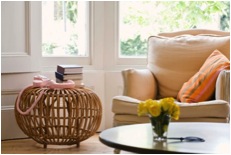
This picture is a good example of eclectic style working well in a room.  The room and chair are traditional in style, and in the classic neutral color palette.  A club chair like this one can work in many different style interiors and is a great basic chair. The woven pouf, or table, feels much more contemporary and handcrafted.  It is clearly not the same style as the club chair yet works well with the chair and the room. A single piece that stands out can become the focal point. This table almost feels like a piece of sculpture in the neutral space.

By keeping the floor neutral works, the room feels like a cohesive space. A traditional rug or contemporary rug would be too much.  A simple woven rug or natural jute area rug would work best in this space, keeping things neutral.

When mixing styles, keep your eye on line and color to create an eclectic space that feels sophisticated, not just a hodgepodge of found furnishings. Mix in smaller accents from another style and see how they work with your existing pieces until you achieve a look you love.


Posted in Uncategorized

Decorating With an International Flair

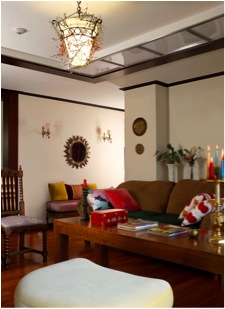
This room takes advantage of a number of international elements while still providing a comfortable contemporary space. If you’re fortunate enough to have travelled and collected art and other items from a number of countries, take the opportunity to use them to add personality and your own touch to your home.

The wood floor and cream walls provide a good base for the variety of colors and textures featured in this room. Simple architectural elements such as the black molding and the wood surround on the door provide additional charm without distracting from the rich selection of international elements. The straightforward sofa, coffee table and ottoman also work well as a backdrop to the more design-rich pieces.

Let’s start with the light fixture. Most people wouldn’t think of buying a light as a souvenir from another country, but this unique look helps to set the stage for the room’s design.

Give up the idea of having elements match each other. When you purchase international goods, everything will be different, so celebrate that. Take a look at the two candlesticks on the coffee table. On the left an old carved wood carries a red taper that sets off the rich patina of weathered wood. On the right an intricate brass candlestick carries a warm cream candle. Similarities come from the rounded shapes and heights, but the differences work.

The throw pillows are in basic domestic fabrics, but they provide an opportunity to bring in textiles from other countries in the future. A rich area rug could be purchased here in the U.S. or possibly selected from a Turkish bazaar. When you begin with a good basic look of wood floor and earth-tone furniture, you can add those exciting international elements and make your home intriguingly yours.

Posted in Uncategorized

Patterned Floors: Perfect for a Foyer

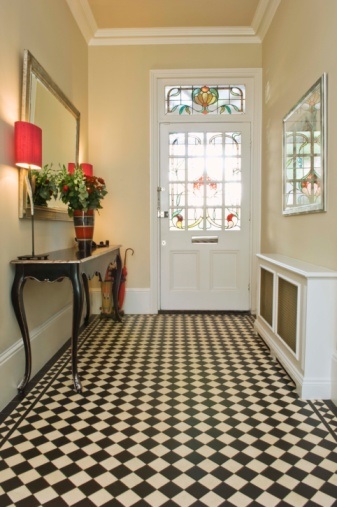
Beyond the welcome mat at the front door, the foyer or entry hall is the first room in your house guests will see.  For most of us, the foyer is not a huge space and that can make it more difficult to decorate.  The small space needs to be welcoming, functional and stylish.  One way to add style and a welcoming feel to this greeting area is pattern on the floor.


Putting pattern on the floor, while keeping the rest of the space simple and neutral, creates balance. Letting the patterned floor set the colors for the foyer’s color palette will create a unified and stylish looking space to greet your guests.  Installing a pattern floor, like this black and white harlequin pattern, is something best left to professionals. The intricate pattern with a border of smaller diamonds and then a black border feels almost like an area rug, another great choice to add pattern to a foyer.


Area rugs or runners are an easy way to add pattern to the foyer or hall floor.  Stripes running the length of the runner will expand the feeling of the space; horizontal stripes will help widen the space.  Florals, traditional Persian patterns, geometrics—all work as pattern for a foyer floor.


You could also do an inlaid wood floor, a painted floor or a brightly patterned Moroccan tile floor in the foyer. Whatever you choose, make sure it is durable to withstand heavy foot traffic.

Posted in Uncategorized

Color Blocking in your Home

Color blocking is a big trend in fashion right now. Creating big areas of color in an outfit in contrasting colors is a look we saw on the runways and city streets this spring. Interior design and fashion influence one another so it is no surprise we are also seeing color blocking in decorating.


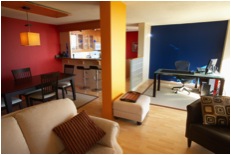
Color blocking on walls works well in large spaces like this open concept loft space.  Each block of color denotes a different function in the room: blue for home office; red for dining; yellow for living.  The yellow on the column is a nice pop of bright color against the deeper shades of blue and red.


For other spaces where three different primary or bold colors would be too much on the walls, color blocking can be done on the floor with area rugs.  Using a colorful area rug in the living room to center the seating area and a contrasting color rug in the dining room would create the look of color blocking without being overwhelming.


Adding color blocks in accents is another way to bring this fashion look into your décor.  Choose a throw blanket in one color and add accent pillows in a contrasting color on a neutral sofa.  You can group accessories, like colored glass vases, together into blocks of color.  In the bathroom, arrange towels in groups of two and three colors that really pop.


No matter how you interpret the color blocking trend, bringing color into your space is always a good idea.

Posted in Uncategorized

Make Dessert Special for the Holidays

This photo shows how well light wood flooring looks against the rich variety of colors provided by the holiday tree. If you have darker wood floors, you get to look forward to the reflection of the trees lights in the glossy finish, adding to the charm of the room

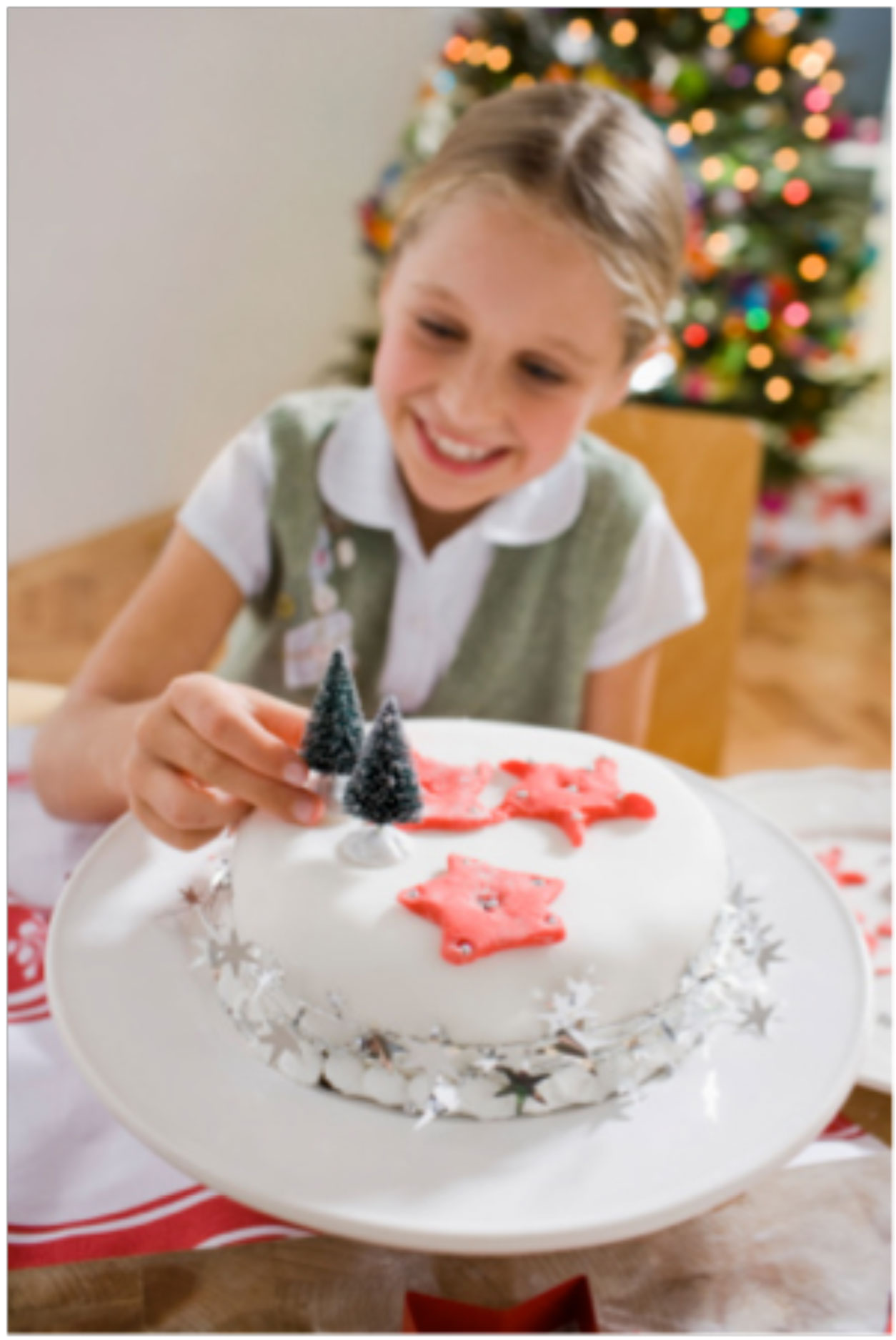
But today we’re focusing on the cake in the foreground, to help you ensure that your holiday entertainment features desserts that are dressed for the season.

There are those people who bake their own cookies and cakes from scratch and pull out icing bags to decorate them in festive ways. But if you’re not one of those people, you can still create an appealing holiday look with your desserts.

This cake involves a couple of small artificial trees, some star twist in silver – available where gift wrap is sold – and three simply-decorated holiday cookies. The process is simple and fast but the result has pizazz.

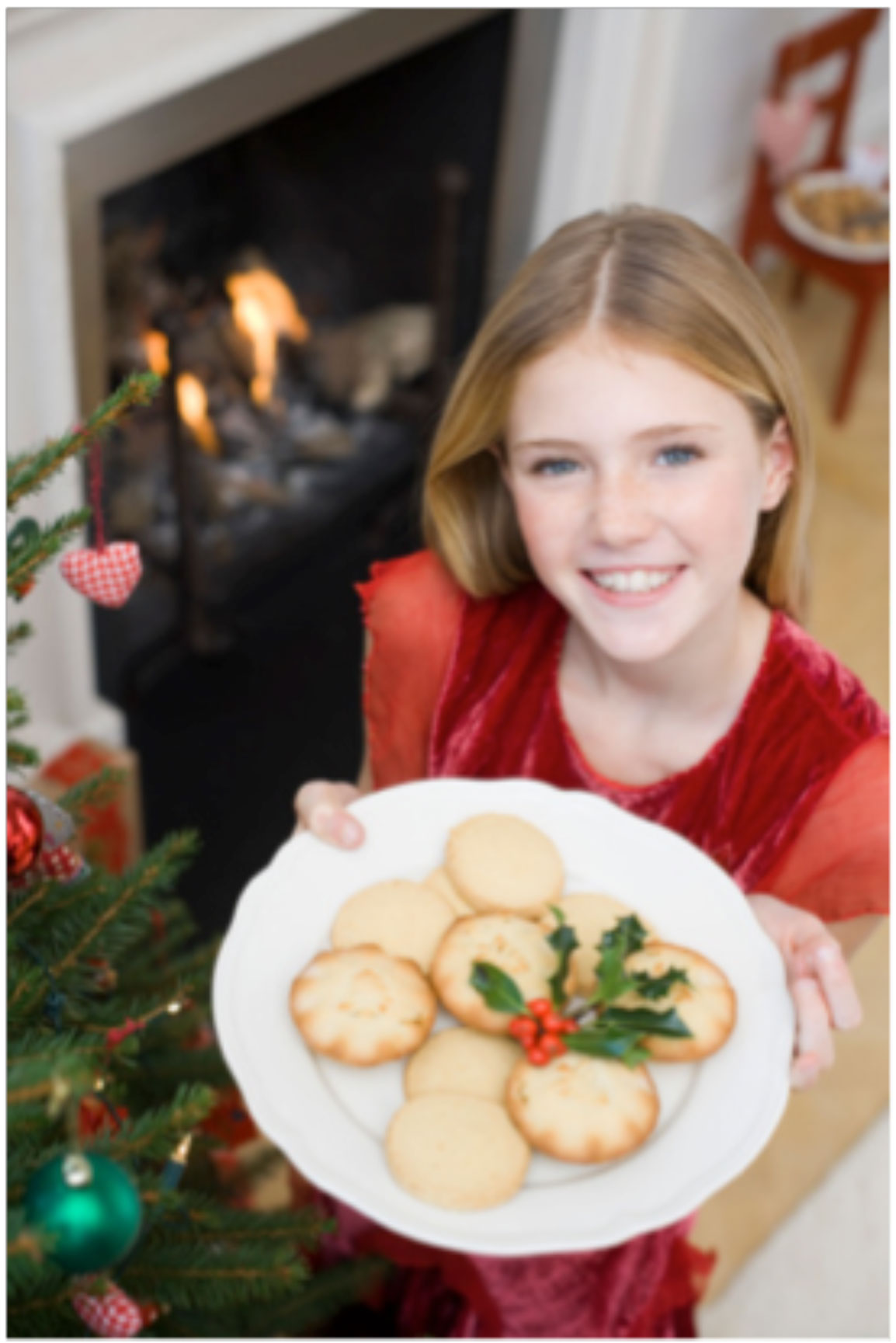
Another option is to decorate the plate and leave the treats alone. Take a look at these cookies. They are simple iced sugar cookies and shortbread, but adding a sprig of holly turns them into holiday treats. You could also use pine or other holiday greenery – not miseltoe though – the berries are poisonous.

Here’s another cake that benefits from some holiday touches. Instead of inedible decorations, this cake has fresh raspberries and mint to mimic holly and berries. A bit of gold wire running around the cake matches the gold rim of the plate. The biggest advantage to these choices comes from taste. Both raspberries and mint complement the taste of chocolate, so you have decorations that also add to the flavor of the dessert. With little effort, these options make your desserts reflect the holidays.

Posted in Uncategorized

A Calm Oasis

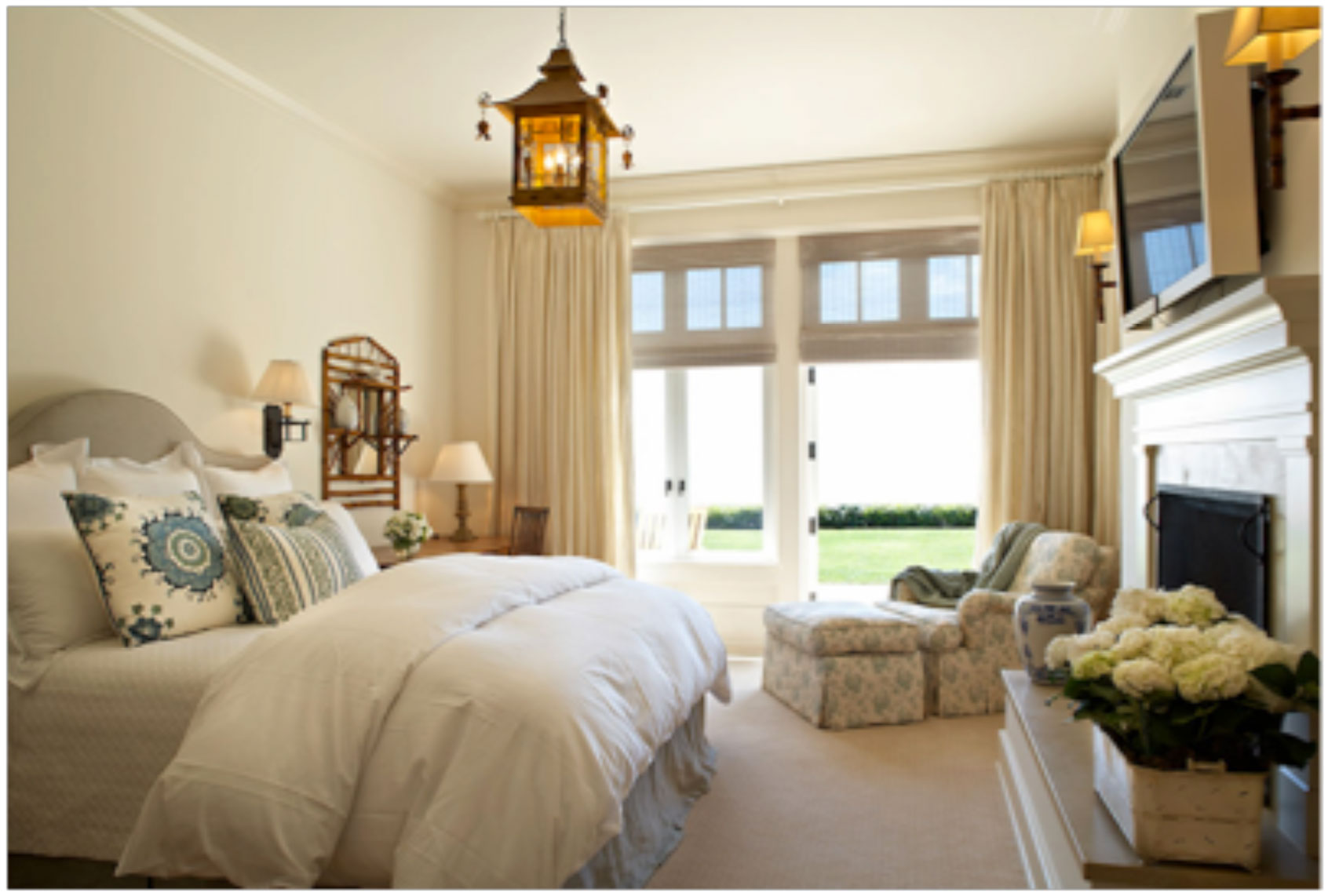
A bedroom should be a calm oasis to restore your spirit at the end of a day and greet your eyes with harmony in the morning. This traditional style bedroom is awash with calm colors in antique white, grey and soft blues. All the colors fall within a similar range of hues, giving the room an almost monochrome palette punctuated with a few deeper accents.

When laying out a bedroom, find a focal point for the bed to face. This may be a window or fireplace. Often the bed is centered on the longest wall, but you can always center it between two windows. If you have more than one focal point, pick one and be sure to highlight the other. In this room, the beautiful windows have grey shades and cream curtains that frame them and create a focal point. Hanging the television above the fireplace keeps the focus on the fireplace rather than detracts from it.

Flooring in the bedroom should be visually pleasing but also pleasing to bare feet. Hardwood floors with a large area rug or wall to wall carpeting both work well in a bedroom.

Matching wall color, curtain fabric and carpet gives a room a polished monochrome look that can also be soothing if the colors are in cool neutrals. Using neutrals as the base colors allows for easy changes in accessories seasonally or as your taste changes. A neutral upholstered headboard can also be accessorized with a throw or slip cover.

Posted in Uncategorized

Dark and Dramatic Kitchens

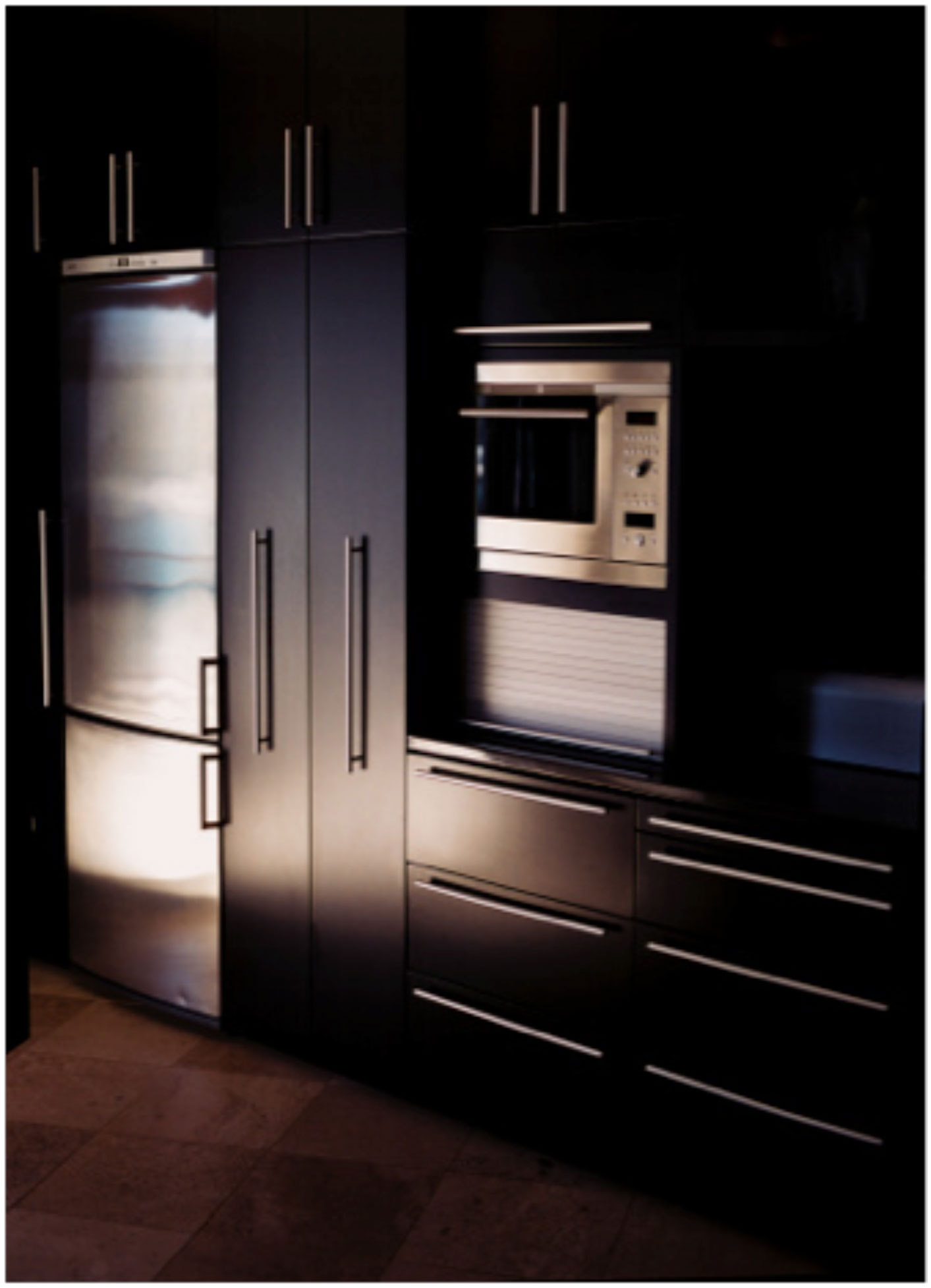
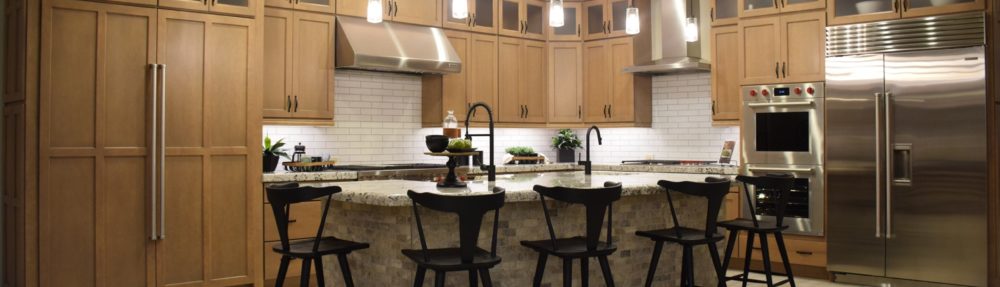
Like fashion, kitchen design goes through trends in color, materials and style. For years the big trend in kitchen design has been beautiful wood cabinets, granite counter tops and traditional styling.  We’ve seen white return as a popular kitchen cabinet and backsplash color. And now we are seeing black and dark grays becoming popular choices for cabinets.  These dark colors create a dramatic space that can work in most style kitchen designs, from farmhouse to contemporary, traditional to modern.


Dark colored cabinets are trending to black, a range of grays, and deep navy. Dark chocolate brown is also being seen. What kind of countertops can work in a dark, dramatic kitchen? That depends on your own style.  Some dark cabinets are being paired with dark granite and marble, soapstone and even cement counters.  Others are using lighter granite, quartz and white marble to balance the deep color.


Floors throughout the home are going darker, as seen in the ebonized wood floor trend.  Kitchens are seeing this trend as well.  Dark wood floors, slate and other dark floor materials work well with the dramatic cabinet colors. A colorful runner or rug can incorporate color into the design as well as provide a comfortable surface underfoot.


When going dark in the kitchen, lighting is even more important.  Under cabinet and task lighting will provide enough light to work and highlight the drama of the room. Metal hardware will stand out against dark cabinets like the perfect piece of jewelry against a little black dress.

Posted in Uncategorized

Using Cozy Winter White in Interiors

When we think about seasonal decorating, we usually think of the seasonal holiday colors; red, white and blue for summer; foliage colors for fall and so forth. For winter decorating, think outside of the typical red and green for Christmas or blue and white of Chanukah for inspiration. Winter white is a warm white that is less yellow than cream, but lighter than a beige.


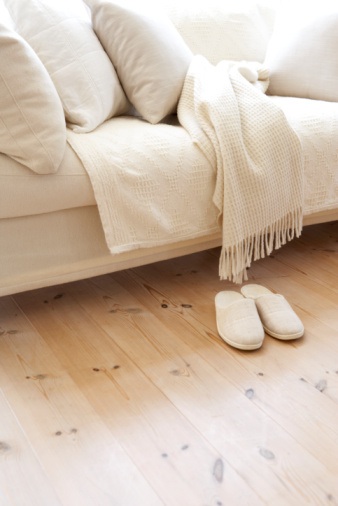
Taking a cue from fashion, winter white is a terrific choice for richer tones of white that work well with the deeper tones typical of winter: deep green, crimson, and jewel tones. Or you can create a winter white wonderland and layer this rich neutral with other neutrals and textures. Like the picture, mixing in different textures in the form of textiles, pillows and throws can make a monochrome palette interesting and far from bland. Thick throws inspired by winter sweaters and knit covered pillows in winter white create a cozy feeling that is perfect for a bedroom or a room with a fireplace.


Winter white accessories are also easier to live with than crisp, pure decorator’s white. Soft, warm whites on walls and trim can give a nice hint of color to a room. If you are afraid of white carpet, wood floors with a winter white area rug might be the answer. You could choose a light or white washed wood floor to keep the space monochrome. A dark floor in a winter white room would be much more dramatic.


Whether you chose to paint or just add a few accessories, consider using winter white for a seasonal color that is sophisticated and subtle.

Posted in Uncategorized

Home Office Storage

When you work from home, it’s smart to set up your own location for basic office supplies. You can buy a simple two-door cabinet like this one, or add shelves and doors to a closet so that you’re able to recreate this type of storage space.

Before you set up your cabinet, choose a location with hard even flooring like the one in this photo, and then use a level and shims to make sure that the cabinet is even. This will keep the doors from falling closed or open and keep your supplies in place.

It makes sense to limit your choices so that you don’t have to use up too much space. Think of your office basics. To start, what do you need for your computer and printer? You may want to buy a case of paper because it’s less expensive than buying it by the 500-sheet ream. Ink in an ink-jet printer often runs out without warning, so it’s a good idea to have an extra set of color and black and white ink cartridges.

Make a list of supplies that you use regularly, and those that could cause trouble or inconvenience if you ran out of them unexpectedly. Add to that list those items that are less expensive if bought in bulk. Now you have a good start.

To avoid unnecessary clutter, look for a few boxes or containers to hold things such as paper clips, staples, pens and other small items. Don’t overcrowd the shelves so that you can keep track of materials easily. If you want, place a small clipboard or notepad on the inside of one door to write down a shopping list when you use up your extra supplies or start running low.

While a cabinet like this may take some time and effort to set up, your office supplies will then be permanently under control with very little additional effort on your part.

Posted in Uncategorized