Fulton Homes Launches Ira A. Fulton Aquatics Center & Legacy Traditional School


State-of-the-Art Facility & Arizona Highly Performing Charter School Elevate Ironwood Crossing into One of the Premier Communities in the East Valley

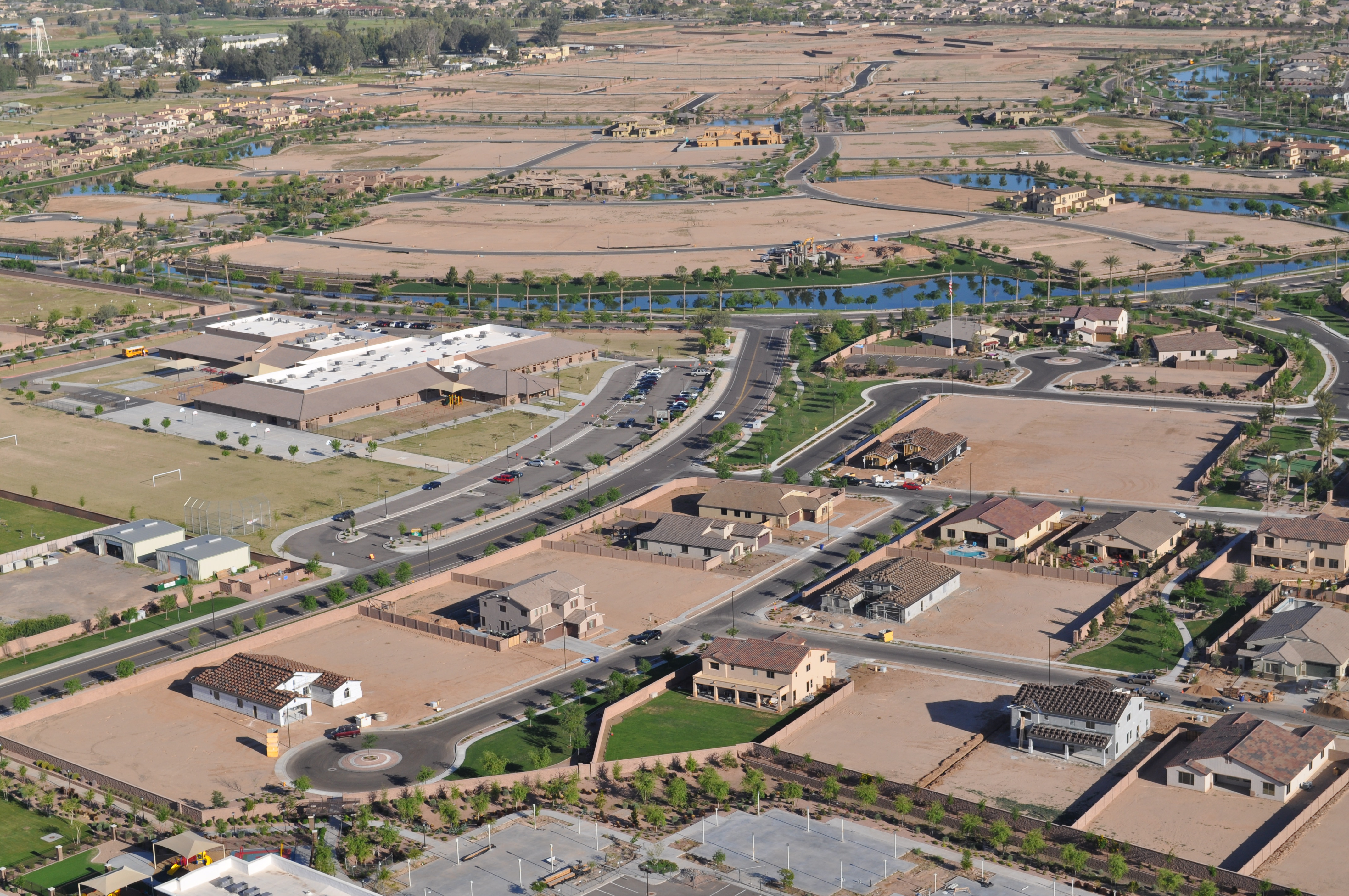
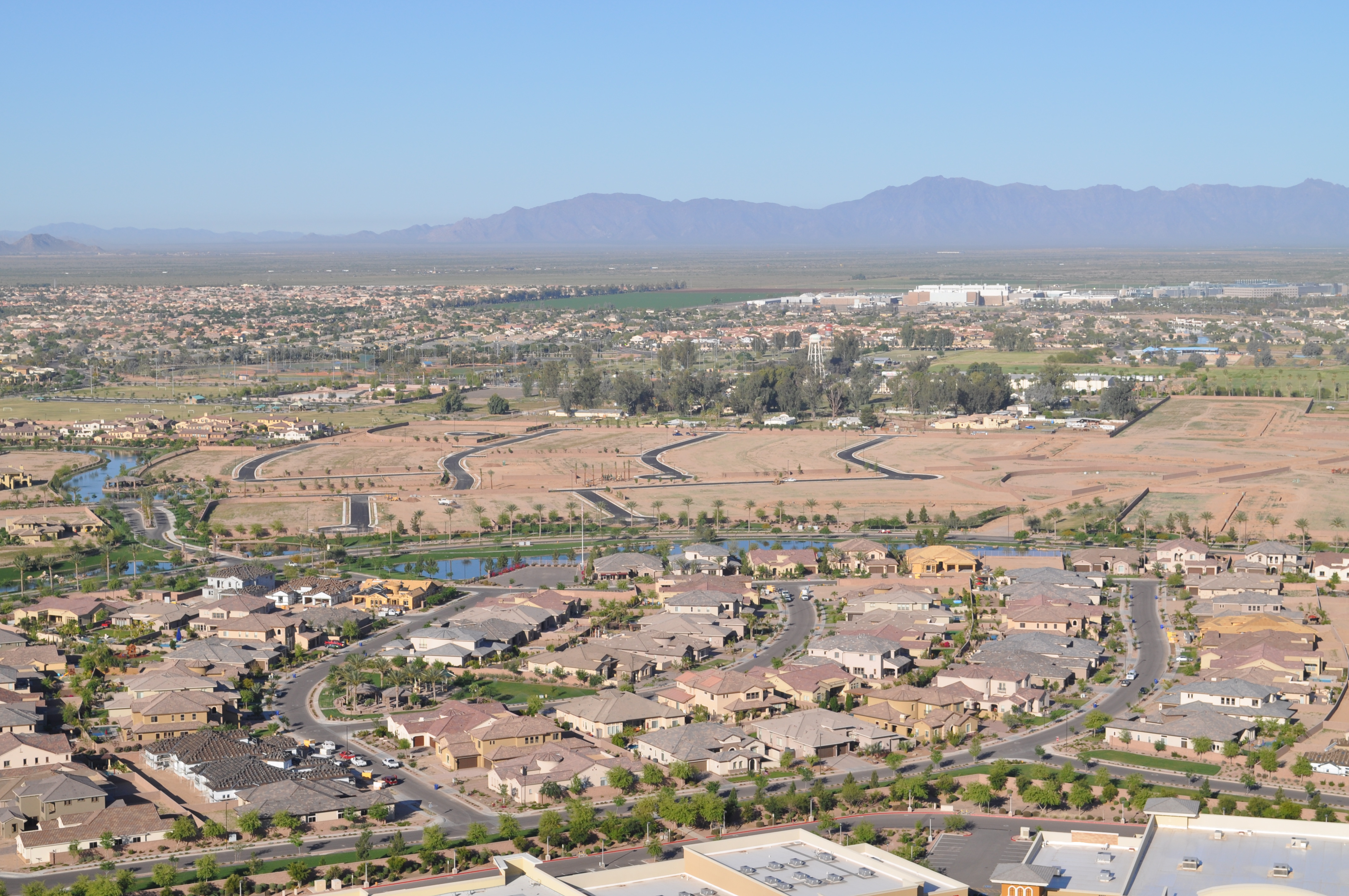
Fulton Homes will open the doors on its 2.4 million dollar Ira A. Fulton Aquatics Center on Friday, June 18. Located in the Ironwood Crossing Community at Westbrooke Road and Barnes Parkway, in Queen Creek, the aquatics center features a 6,837 square-foot pool available to Ironwood Crossing residents. In August, Fulton Homes will also be welcoming Legacy Traditional School, an Arizona Highly Performing charter school to the Ironwood Crossing Community. Over 540 children have already been registered for the new Legacy facility, which will house over 700 students in its first phase with 26 classrooms, a gym, stage and kitchen, as well as a full complement of playgrounds and sports fields.

“We’re excited to offer this spectacular amenity and outstanding school to the residents of Ironwood Crossing,” said Fulton Homes CEO Douglas Fulton. “Not only are ‘we proud to build homes that you’re proud to own,’ but we’re also in the final stages of building out one of the most beautiful and complete communities in the east valley.”

The aquatics center features two main sections, one with three tiled 79-foot lap lanes, and the other for smaller children that includes three interactive water features. The outdoor facility boasts 12,524 square-feet of pool decking for lounging and sunbathing. A 1,257 square foot splash pad graces the area comprised of “tot turf” for added comfort and safety. 16 interactive ground-spray jets help to keep residents cool, along with a “Poly Palm” water tree and interactive waterfall.

The new aquatics center also has open park areas, a 25-foot umbrella, a community Ramada for family get-togethers, and restroom facilities. The children’s area is separate from the main pool area and fenced off so that water safety is realized. The main pool area has separate restroom facilities, and a giant sail shade structure covers half of the gigantic pool to protect residents from the sun. There are also four additional 25-foot umbrellas for ample shade.

“We’re proud to open this phenomenal aquatics center and this much needed community meeting place will be a great addition to the Ironwood Crossing Community,” remarked Dennis Webb, Vice President of Operations for Fulton Homes. “This is the only master planned community in the east valley with an aquatics center of this caliber and Ironwood Crossing is truly becoming a haven for families and couples alike looking to settle in a community that caters to their needs.”

The Legacy Traditional School is planned as a back-to-basics institution that uses Spalding Language Arts and Saxon Math as its core curriculum. In addition to the core subjects or reading, writing, and math, Legacy will also provide students a well-rounded education in Science, Social Studies, PE, Music, Art and Computers.

Legacy will initially serve grades Kindergarten through 8th grade. The campus is designed to accommodate future buildings and eventually the school hopes to serve Kindergarten through 12th grade at its Ironwood Crossing location. Parents interested in the school should visit http://www.legacytraditional.org or call (520) 423-9999.

“This school represents our future here in the east valley,” notes Fulton. “We remain committed to the future vitality of the housing market in Arizona and our vision is to make Ironwood Crossing the premiere community for families in the southeast valley.” Fulton added.

Paradise at Ironwood Crossing was recognized in 2009 by Builder Magazine as being one of the Top 10 Best Selling Communities in America. In addition to the aquatics center and charter school, designs are also on the books for a new church in the Ironwood Community.

Posted in Uncategorized

Solutions to Common Window Problems

Window issues can be frustrating! Below are some common problems and solutions that you might run across with your windows. We hope these solutions can help you.

Problem Likely Cause Solution
Window binds or is difficult to open. Broken window balancer. Replace balancer.
Window will not stay open. Weak window balancer. Replace balancer or adjust tension rod.
Window will not slide up or down. Tension rod jammed. Call Fulton Homes for inspection.
Window will not lock properly. Window not squares. Call Fulton Homes for inspection.
Condensation between insulated glass surfaces. Insulated glass seal broken. Replace glass panel or sash.
Condensation on inside surface of window. High humidity inside home. Reduce humidity with exhaust fans and dehumidifier.
Posted in Uncategorized

Stages of Construction: Stage 5

Today continues a series about the stages of construction. Our goal is to help you understand the stages of construction, learn about how we do things and what you can expect during each stage. In this series, we will cover 3 additional stages of construction. To see the previous stages of construction, click here.

In Stage 5, the interior doors and trim are installed. All interior painting and staining is completed. Once the painting is completed, the cabinets are installed in the kitchen and bathrooms. Marble tubs and shower pans are also installed at this time. A written notice will be sent by Fulton Homes giving your orientation and closing/key release dates, as well as other valuable information pertaining to the closing process.

The interior trim package includes wall caps, interior doors & casings, window sill options, baseboards, closet shelves & poles, plus any crown, or decorative molding. Many of the surface materials used in the interior trim are manufactured wood products.

The interior trim is then prepped for paint. Trim is caulked to the drywall and nail holes are filled. Ceilings “other than bathrooms and laundry rooms” are painted with “flat” paint. Walls are painted with semi gloss eggshell paint. Wood/Masonite interior doors, door casings, baseboards, paint grade wood caps, and paint grade wood stair railing are painted with lacquer acrylic gloss enamel.

Stain grade handrails are stained per the customer’s selection. The stain on handrails is never guaranteed to match the cabinet color due to the type and natural characteristics of the wood used on handrails. All natural woods accept stain differently. Please be advised that cabinet stain color and darkness will not always be an exact match to what you see in the models or at the design center. This is also due to the type and natural characteristics of wood used on cabinets.

Cabinets are delivered when painting is completed.

This sums up the 5th stage of construction. Stay tuned for more stages and information!

Posted in Uncategorized

Stages of Construction: Stage 4

Today continues a series about the stages of construction. Our goal is to help you understand the stages of construction, learn about how we do things and what you can expect during each stage. In this series, we will cover 4 additional stages of construction. To see the previous stages of construction, click here.

During Stage 4, insulation is installed throughout the home and the drywall is hung, taped and textured. Ceilings and walls are then sanded in preparation for paint. To avoid knocking the stucco off of the exterior walls, drywall is hung before any stucco is applied to the exterior. The stucco brown coat is applied as soon as the drywall is hung.

The insulation is installed after passing the frame inspection. Typically, insulation batts are used in walls, while ceiling or attic insulation is blown in after the dry-wall is hung. Optional blow-in wall insulation is installed at this time.  Drywall, or sheet rock, is hung after the insulation passes inspection by the Fulton Homes Project Manager.

The stucco lathing is inspected by the local municipality building & safety inspector and the Fulton Homes Project Manager. The stucco brown coat is then applied and allowed to cure.

A router is used to trim drywall at openings for windows and doors. It is not uncommon to slip and over-cut these areas from time to time. Minor cuts in the drywall, if they occur will be repaired as needed.

Once the drywall is hung, a sheetrock nailing inspection is required by the local municipality building & safety inspector. Next, the gas piping system is pressurized and inspected.

Having passed the nail inspection, the dry-wall seams are taped. A paper tape is embedded in dry-wall taping compound to seal these joints and reduce cracking.  Once the tape joints are dry, they are topped with a similar compound.  This second coat is used to level off these joints and fill-in any voids or nail holes.  A skim coat is then applied as need prior to the texture-coat. The texture coat is manually applied as a skip trowel with a large trowel blade. Each coat must dry thoroughly before the next coat is applied. Wet or cold weather may add several days to this process. Once the drywall is textured, it must dry and then be lightly sanded prior to trim carpentry and painting. Please keep in mind that the texture coat is a custom hand applied texture and will typically show inconsistent patterns. This is normal and considered part of the custom application.

We hopes this helps you understand a little more about the stages of construction!

Posted in Uncategorized

Fulton Cares – Moen Bath Fixtures

As part of giving back to the community, Fulton Homes has created a Fulton Cares section which highlights the many ways in which we are building energy efficient homes, and helping the environment at the same time.

At Fulton Homes, we use energy efficient building processes that make the homes we build today far more efficient than those of just 3-4 years ago.    The homes built today are far more efficient and cost less to operate than used homes.  Below is one of  the examples showing how Fulton Cares.

Moen Addresses Enviromental Concerns With New Water Saving Showerhead

  • Moen’s new Water Saving showerheads have a flow of 1.75 gallons per minute, offering a 30 percent water savings from the industry-standard 2.5 gallons per minute showerheads. Not only is this savings significant in reducing water consumption, but it also reduces energy costs as less hot water is used.
  • Inclusion of the new showerhead allows builders to receive maximum points for water reduction under the LEED (Leadership in Energy and Environmental Design) rating system.
  • The enhanced spray uses less water, conserving precious resources, while providing an enjoyable and satisfying shower experience.
  • Unlike some low-flow showerheads that simply restrict the water flow, Moen’s Water Saving showerhead features an optimized spray pattern to preserve the powerful stream that consumers are accustomed to from full-flow showerheads.
  • To meet the design needs of savvy consumers, hotel designers or multi-family property managers, Moen’s new Water Saving showerheads are available in popular finishes such as, Chrome, LifeShine® Brushed Nickel and Oil Rubbed Bronze to coordinate with bathroom faucets and accessories.
Posted in Uncategorized

Ceramic Tile Care and Maintenance

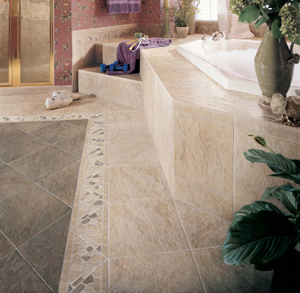
Glazed ceramic tile is known for its durability and the variety of colors and designs. Ceramic tiles are purchased in dye lots that have the same texture and color. Because an exact replacement match of ceramic tile can be impossible, we urge you to take special care to avoid breaking or damaging the ceramic tile. Ceramic tile is brittle and can be broken by a sharp blow from a heavy object. Take our advice and save all unused tile that you were given for future repairs. You’ll thank us later!

Tile Cleaning: Warm soapy water, a detergent or a commercial tile cleaner can be used to keep your tile bright and shiny. See manufacturer recommendations for recommended tile cleaning products.

Grout Cleaning: Because the grout between the tiles is porous, you may want to consider sealing the grout once a year or so. This will prevent stubborn stains from penetrating the grout and becoming unsightly. Wipe spills away promptly to avoid staining the grout. Routine scrubbing of the grout with warm soapy water will keep it clean and fresh. Cleaners that are to strong can stain the grout. See manufacturer recommendations for recommended tile cleaning and sealing products. Sealers and cleaners can be found at your local hardware store.

Grout Sealing: Water can penetrate grout seams and joints, and will damage materials adjacent to and underneath the tile. This occurs when excessive amounts of water are used during floor washing, or in the bathroom from splashes and spills from the showers, tubs, and sinks. The grout installer applies a silicone based grout sealer prior to close of escrow to reduce staining, mildew, and water penetration. See manufacturer recommendations for recommended tile cleaning products. See manufacturer recommendations for recommended tile sealing products. Grout sealers are available at hardware stores and should be used following manufacturers guidelines.

Seams and Joints: The seams and joints are not waterproof, and require proper maintenance to prevent water seepage and damage of materials adjacent to and underneath the tile. Inspect these areas frequently and apply a silicone caulk to the joint as needed.

Note: Fulton Homes cannot ensure that ceramic tile repairs requiring new material will match the color of the existing tile material or colored grouting. Color variations are normal.


Posted in Uncategorized

Stages of Construction: Stage 3

Today continues a series about the stages of construction. Our goal is to help you understand the stages of construction, learn about how we do things and what you can expect during each stage. In this series, we will cover 5 additional stages of construction. To see the previous stages of construction, click here.

Stage 3

Introduction

In Stage 3, the rough mechanical work for the heating and air conditioning systems “HVAC” is completed and plumbing pipes, electrical wiring and low voltage wiring are installed. The roof dry-in is completed and the exterior walls are covered with a moisture barrier wrap prior to stucco or siding installation. Foam lathing & wire are then installed. The Phase II Pre-drywall Meeting with the homebuyer is also scheduled at this time.

The process of installing the mechanical “roughs” begins once the shear inspection is passed. The HVAC (heating, ventilation, and air conditioning), plumbing, and electrical roughs are installed in order. Once the HVAC and plumbing roof penetrations are completed, the roof dry-in will be performed.

Plumbing lines, waste lines, and gas lines are installed within the interior wall studs prior to drywall. The plumber will install the waste lines first, water lines second and gas lines third. All plumbing lines, tubs and shower pans are put on test for any possible leaks. This test is also inspected by the local municipality building & safety inspector. The roof penetrations for the plumbing vent lines and HVAC are cut before the roof is papered or “dried in.”

The electrical roughs will begin after the HVAC and plumbing roughs are complete. All low voltage wiring is installed after the mechanical and electrical roughs are complete. Variations in framing due to a variety of reasons may cause standard phone, cable or electrical locations to vary slightly.

Typically, utility trenches are dug after the electrical rough-in is completed. These trenches are then inspected for proper location, depth and distance for gas, water and electric. The various conduits and utilities are then installed. Please keep in mind that rainy weather conditions can delay this process .

The roof dry-in is the process of installing a roof felt cover and battens. Battens are wood cleats that roof tiles sit on. This can be done only after the roof sheeting has passed shear inspection as well as the completion of all plumbing and HVAC roof penetrations. Once the roof is dried-in, the installation of the HVAC will begin The HVAC includes all ducts, vents, and furnace installation. The HVAC contractor also installs flashings as needed.

The exterior walls are covered with a moisture barrier wrap prior to lath, stucco and siding installation. The installation of exterior siding or pre-stucco lath typically takes place after the plumbing, HVAC and electrical roughs. Once the gutters, roof flashings and paper are installed, the siding or pre-stucco lath will go up on areas above the roofline.

The installation of exterior pre-stucco lath and wire is next and must be inspected and passed by the local municipality building & safety inspector before stucco is applied.

As you can see, a great deal of coordination and cooperation is required from every trade partner involved at this stage. To keep on schedule the finish materials for the home will need to be ordered in advance.

A frame inspection is required after roof tile is loaded, siding and pre-stucco lath, plumbing, HVAC, and electrical roughs are complete. Again, all rough mechanicals including plumbing, HVAC, electrical, lath materials and hardware are inspected by the local municipality building & safety inspector and your Fulton Homes Project Manager. During this phase of construction the Fulton Homes Phase 2 inspection is performed by your Project Manager for proper installation of your options and all other work performed.

In a case where an extensive network of audio/ visual or computer wiring is to be installed, you will be scheduled to meet with the low voltage wiring installer to confirm the lay out and locations of your chosen options. This meeting will be scheduled before the pre-drywall meeting with your Project Manage. Please note: this is a critical appointment.

Next, after all of the Stage 3 items are complete, you will be asked to attend a pre-drywall meeting with your Project Manager to review your home. Your Sales Associate will schedule this appointment with your Project Manager. This meeting is a good opportunity to review the entire home. At this meeting, the homeowners and Fulton Homes will compare paperwork for errors or omissions and discuss all options and upgrades.

This information is provided simply to give you a better understanding of what to expect. Feel free to just sit back, relax and be Proud to Own because we are Proud to Build for you!
Posted in Uncategorized

Air Conditioning Tips

Your heating and air conditioning systems can play an important role in the first year after you move in. Did you know that  by maintaining an even temperature, you can minimize the contraction and expansion of the materials in your home?

The following suggestions are intended to assist you in getting the maximum usage and enjoyment from your heating and air conditioning system:

  1. We recommend that filters be changed every 30 days or as needed. In areas with heavy dust more frequent changes may be in order. Fresh filters can significantly reduce operating costs and will prolong the life of your system.
  2. Check the operation of your system well in advance of peak operating seasons. Notify the appropriate subcontractor of problems before seasonal service demands are the greatest.
  3. Keep all vents and registers clean and free of dust, cobwebs and debris.
  4. Keep plants and grass trimmed well away from the outdoor unit.
  5. Keep the condensing unit relatively level and keep the area surrounding the unit clear to allow unimpaired airflow. Do not plant bushes near the unit and be careful that dirt, leaves, and grass clippings are cleared away. For a thorough cleaning, contact a licensed HVAC Contractor.
  6. We hope this tips help you get the most out of your air conditioning system! Enjoy the summer and stay cool!

Posted in Uncategorized

Foreclosure Considerations Question

Reader Question:

Is purchasing a foreclosed property really the best idea right now?  Shouldn’t we hold off and see what the market does?  I would have to think some cities are coming back quicker than others, but how about our country as a whole?

Answer:

There are many factors to consider when looking at a foreclosed property. Here are some questions you should take into consideration when considering a foreclosed home:

* What type of shape or condition is it in?
* What is the neighborhood like?
* Are there other foreclosures in the area?
* How much would it cost to bring it up to a livable condition?
* Are there signs of mold?
* How about energy efficiency?
* What is the SEER rating for the AC system?
* Does it have dual pane low-e windows?
* It is Energy Star qualified?  (A home build ten years ago would require about double the energy costs of today’s new Energy Star home.)
* What type of warranty does it have?

Consider the answers to these questions before purchasing a home in foreclosure. If you have additional questions, feel free to leave us a comment.

Is purchasing a foreclosed property really the best idea right now?  Shouldn’t we hold off and see what the market does?  I would have to think some cities are coming back quicker than others, but how about our country as a whole?

Posted in Uncategorized

Stages of Constuction: Stage 2

Today continues a series about the stages of construction. Our goal is to help you understand the stages of construction, learn about how we do things and what you can expect during each stage. In this series, we will cover 6 additional stages of construction.

Stage 2

Introduction

Once the slab has been poured, the home begins to take shape. In Stage 2, the process is as follows: the framing walls are snapped, plated & detailed, and then braced, plumb and lined. On two story homes, floor joists are installed and the process is repeated on the second floor. The roof trusses are then loaded and “rolled” and roof sheeting is completed. The shear inspection follows when all required framing is complete.

Snap, Plate and Detail is when the footprint of the home is “snapped out” on the slab using a chalk line. These lines are used to ensure that the walls are placed square and straight.

Framing begins with installation of the walls. Once the walls are framed and stood upright, they are plumb and lined. “Plumb & Line” refers to the process used when bracing the walls of the home. The corners of the home are set “plumb”. Then a string line is pulled tight from one corner to another, along the top of the wall. By sighting down this string it is easy to push or pull the top of the wall to set it straight. Braces are nailed to hold the walls in place. Per engineered plans the exterior wall bottom plates are typically anchored with foundation bolts and hold downs or “hardware”.

Roof trusses can then be loaded on single story plans or floor joists on two story homes. These braces will remain in place until the roof trusses are up and braced properly and the sheeting is nailed off.

Floor joists are installed on top of the first floor walls. Once they are “rolled” and nailed in place, the sub-floor is installed. After the sub-floor is down the second floor frame is much like the first. 

When framing, the roof trusses are loaded by crane. Once the trusses are installed or “rolled”, the plywood or roof sheeting is then cut and nailed per plan.

The outside walls of the framework are “sheared” or covered with plywood in areas designated by the engineers. Inspections by the local municipality building & safety inspectors are then completed.

“Shear” is the terminology used to define the areas of the home, which the engineers design to withstand roof & structure weight loads, wind loads and soil conditions. This design is accomplished through the use of various sheet sizes or thickness of plywood or OSB, which is “oriented strand board”. In addition, the use of hardware such as metal straps, bolts and hold-downs are installed according to the engineered plans.

A shear inspection is required to ensure that the proper material and hardware was used and has been installed properly in the locations called out per plan. Engineered shear requirements vary per structural calculations.

Roof trusses are anchored to these shear panels, which are anchored to bolts in the foundation creating the shear system designed to resist wind and transfer the roof and structural weight down to the slab.

The exterior sliding glass doors, windows and fireplaces are also installed at this time.

At this stage, your home begins to take shape.  Rooms look larger and you can begin to get a feel for the space. Please keep in mind, crooked studs or framing members will be corrected just prior to installing drywall. Correcting this condition at this time is not practical, as frame lumber will continue to dry and move in the sunlight. It is common practice to repair any areas just before the drywall is hung. Studs with knot holes and bark skin is normal wood characteristics and do not affect the structural integrity of the stud.

Temporary “pony” walls are often left up for safety reasons. In addition, metal safety rails are installed on any plans with stairs or open lofted areas where a falling hazard could occur. In the event you schedule a visit to your new home during this or any other stage of construction and there is no safety rail installed do not enter the home when an unsafe condition may exist.

Cabinet delivery and installation is scheduled at this time.

This information is provided simply to give you a better understanding of what to expect. Feel free to just sit back, relax and be Proud to Own because we are Proud to Build for you!

Posted in Uncategorized