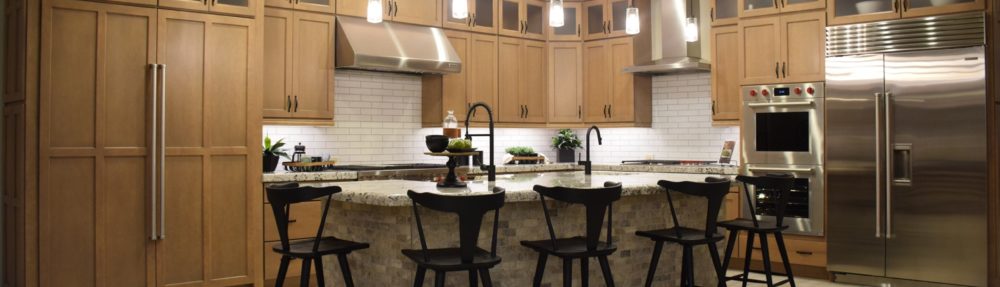
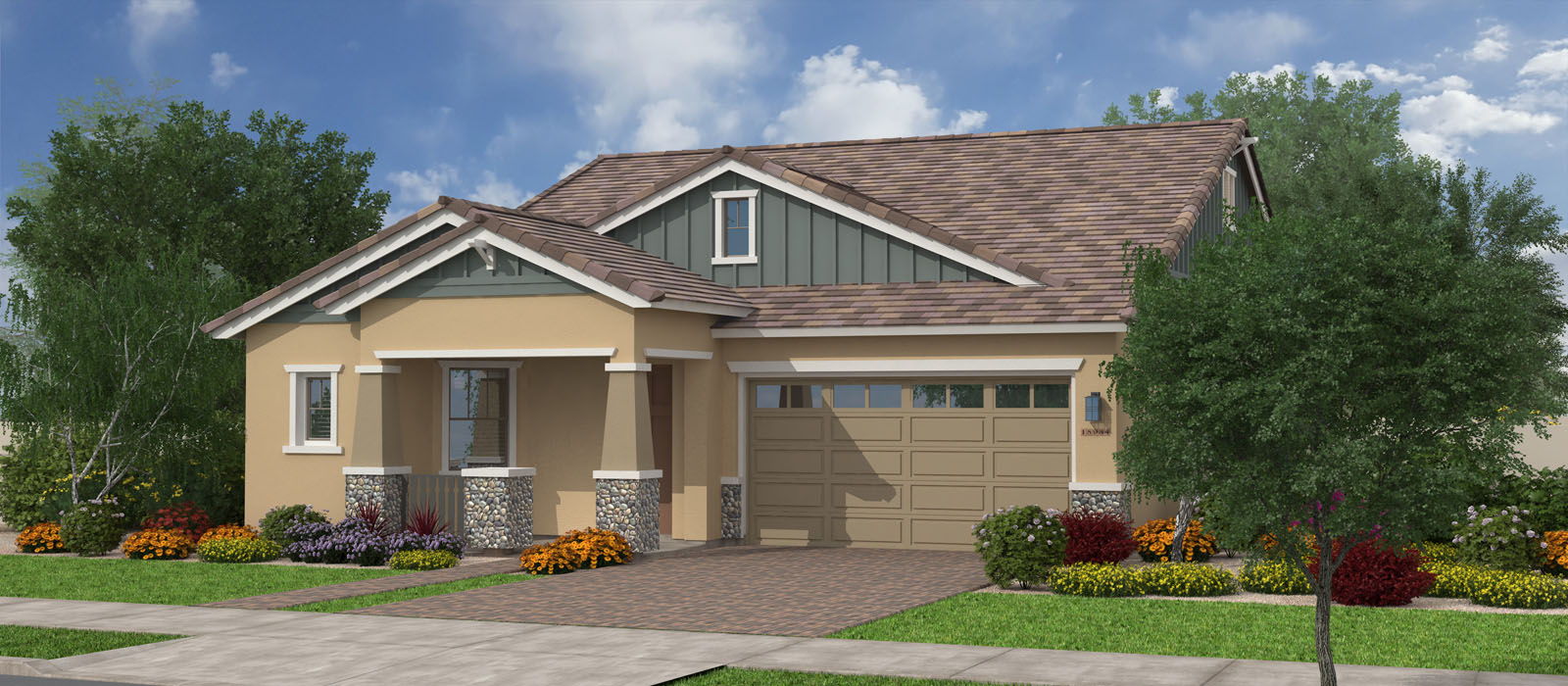
Your home is more than where life happens. It is one of the largest investments most people will ever make. While market conditions and location influence value, day-to-day care and thoughtful stewardship play an equally important role. A well-maintained home holds its value longer, performs better, and provides a higher level of comfort and pride of ownership.
Protecting your investment does not require expensive renovations or constant upgrades. In fact, the most effective strategies are often simple, consistent habits that prevent small issues from becoming costly repairs. Over time, these choices add up to a home that remains efficient, attractive, and structurally sound.
Here are practical ways to preserve and protect your home’s value for years to come.
1. Start with Preventative Maintenance
Preventative maintenance is the foundation of home preservation. Just like routine care keeps a vehicle running smoothly, regular home upkeep prevents deterioration and costly surprises.
Key areas to check regularly include:
- Roof and gutters: Inspect for debris buildup, loose shingles, or signs of wear. Clean gutters to ensure proper drainage.
- Exterior walls and stucco: Look for cracks or water intrusion points and address them early.
- Plumbing: Watch for slow leaks under sinks, around toilets, and near water heaters.
- Electrical systems: Replace outdated outlets and address flickering lights or frequent breaker trips.
- HVAC systems: Change filters monthly and schedule annual professional servicing.
Small efforts here protect the home’s structure and mechanical systems, preserving both comfort and resale value.
2. Protect Against Arizona’s Climate
Living in a desert environment presents unique challenges that make proactive care even more important. Sun exposure, heat, dust, and monsoon storms all impact a home over time.
Ways to protect your home in hot, dry climates include:
- Window care: Use UV-protective window coverings to reduce heat and prevent fading of floors and furniture.
- Exterior sealants: Keep paint, stucco, and caulking in good condition to prevent cracking from sun exposure.
- Shade structures: Pergolas, awnings, and trees can lower surface temperatures and reduce heat stress on exterior materials.
- Dust management: Regular cleaning protects air quality and keeps HVAC systems running efficiently.
- Storm preparation: Secure outdoor furniture and check drainage areas before heavy rains.
Climate-aware maintenance ensures your home ages gracefully, not prematurely.
3. Preserve Structural Integrity
The structural elements of your home are its backbone. Protecting them preserves both safety and long-term value.
Focus on:
- Foundation health: Watch for new cracks in walls or floors, doors that suddenly stick, or uneven surfaces.
- Drainage: Ensure water flows away from the home to prevent soil shifting and foundation stress.
- Roof condition: A healthy roof prevents water damage, mold growth, and insulation issues.
Structural soundness is one of the first things inspectors and buyers evaluate. Protecting it protects your investment.
4. Keep Systems Running Efficiently
Mechanical systems are costly to replace, but affordable to maintain. Regular servicing extends lifespan and reduces energy costs.
Maintain:
- Heating and cooling systems with annual tune-ups.
- Water heaters by flushing sediment buildup annually.
- Appliances through cleaning coils, filters, and seals.
- Smart thermostats to optimize temperature control.
Efficiency protects value by lowering operating costs and improving overall performance.
5. Maintain Curb Appeal
First impressions matter. Curb appeal plays a major role in perceived value and pride of ownership.
Simple improvements include:
- Keeping landscaping trimmed and healthy
- Touching up exterior paint
- Power washing driveways and walkways
- Replacing worn house numbers and lighting
- Keeping entryways clean and welcoming
A home that looks cared for signals quality and attention inside as well.
6. Protect Interior Surfaces
Interior finishes wear over time, but thoughtful care preserves both appearance and function.
Key areas to protect:
- Flooring: Use rugs in high-traffic areas, clean spills promptly, and follow product care guidelines.
- Cabinetry: Clean gently, avoid harsh chemicals, and address loose hardware.
- Countertops: Use cutting boards, trivets, and seal natural stone when recommended.
- Walls and trim: Touch up scuffs and dents before they accumulate.
Preserving finishes keeps your home feeling fresh without constant updates.
7. Manage Moisture Carefully
Even in dry climates, moisture remains one of the greatest threats to home integrity.
Watch for:
- Leaks around sinks, tubs, and toilets
- Condensation near windows
- Poor bathroom ventilation
- Landscape irrigation spraying too close to the home
Catching moisture issues early prevents mold growth, wood rot, and structural damage.
8. Invest in Smart, Timeless Updates
When upgrades are needed, choose options that enhance durability and broad appeal.
Strong investment updates include:
- Energy-efficient lighting
- Updated hardware and fixtures
- Neutral, timeless paint colors
- Modern thermostats and security systems
- Water-saving plumbing fixtures
These improvements add value without over-customizing.
9. Document Your Home’s Care
Keeping records matters more than many homeowners realize. Maintenance logs, receipts, warranties, and service history show responsible ownership.
This documentation:
- Builds buyer confidence
- Supports warranty claims
- Demonstrates proactive care
- Helps track aging systems
Think of it as a resume for your home.
10. Protect Outdoor Spaces Too
Your outdoor areas are part of your investment.
Protect:
- Patios and hardscapes by cleaning and sealing as needed
- Irrigation systems by checking for leaks and clogged emitters
- Outdoor structures with routine inspections
Functional, well-maintained outdoor spaces add lifestyle and financial value.
11. Stay Ahead of Small Repairs
Deferred maintenance is the fastest way to erode home value.
Small problems grow when ignored:
- A dripping faucet becomes cabinet damage
- A cracked tile leads to moisture intrusion
- Loose caulking allows water penetration
Quick fixes save money and preserve quality.
12. Think Like a Long-Term Owner
Even if you plan to stay for years, caring for your home as though it will one day be sold keeps standards high.
Ask yourself:
- Does this choice protect or weaken long-term value?
- Is this solution durable or temporary?
- Will future owners appreciate this improvement?
Homes cared for with long-term thinking consistently outperform those maintained only for convenience.
13. Balance Personalization with Preservation
Personal style matters. Your home should reflect who you are. Just keep core elements neutral and timeless, allowing design preferences to evolve without harming resale value.
Use décor and furnishings to express personality while protecting permanent features.
14. Create a Seasonal Maintenance Rhythm
Establishing seasonal routines makes upkeep easier:
Spring
- HVAC service
- Window cleaning
- Exterior inspections
Summer
- Monitor cooling efficiency
- Inspect irrigation
Fall
- Gutter cleaning
- Seal cracks and gaps
Winter
- Check insulation
- Inspect weather stripping
Consistency is more powerful than perfection.
15. Pride of Ownership Is the Real Investment
Homes that hold value best share one thing in common: attentive ownership. They are clean, cared for, thoughtfully updated, and protected from neglect.
Protecting your home’s value is not about perfection. It is about stewardship. It is about recognizing that your home represents both a financial asset and a deeply personal space.
When you care for it with intention, your home rewards you with comfort, security, and confidence that your investment is protected for the long run.
A well-preserved home stands as proof that pride of ownership matters. Over time, simple choices, consistent care, and thoughtful improvements ensure your home remains strong, beautiful, and valuable—today and for years to come.